Fifty thousand people a day, from expectant mothers to teenagers.
The Breakfast Revolution's reach in 2026, and the work to make each breakfast better. Where a number is an engine estimate, it says so.
Meals served over time
- 2014: The Breakfast Revolution founded.
- 2020: 100,000 children fed.
- 2026: 40 million+ meals served.
Figures published by The Breakfast Revolution, 2026.
Meals served, 2014 to 2026
Figures published by The Breakfast Revolution, 2026.
Where we work
400+ schools and anganwadis, in five states.
India boundaries by DataMeet India community, from Survey of India data (CC BY 4.0).
Choose a state
Maharashtra
Where the programme began: daily meals and anganwadi visits near Vangani.
from the field
Real mornings, up close
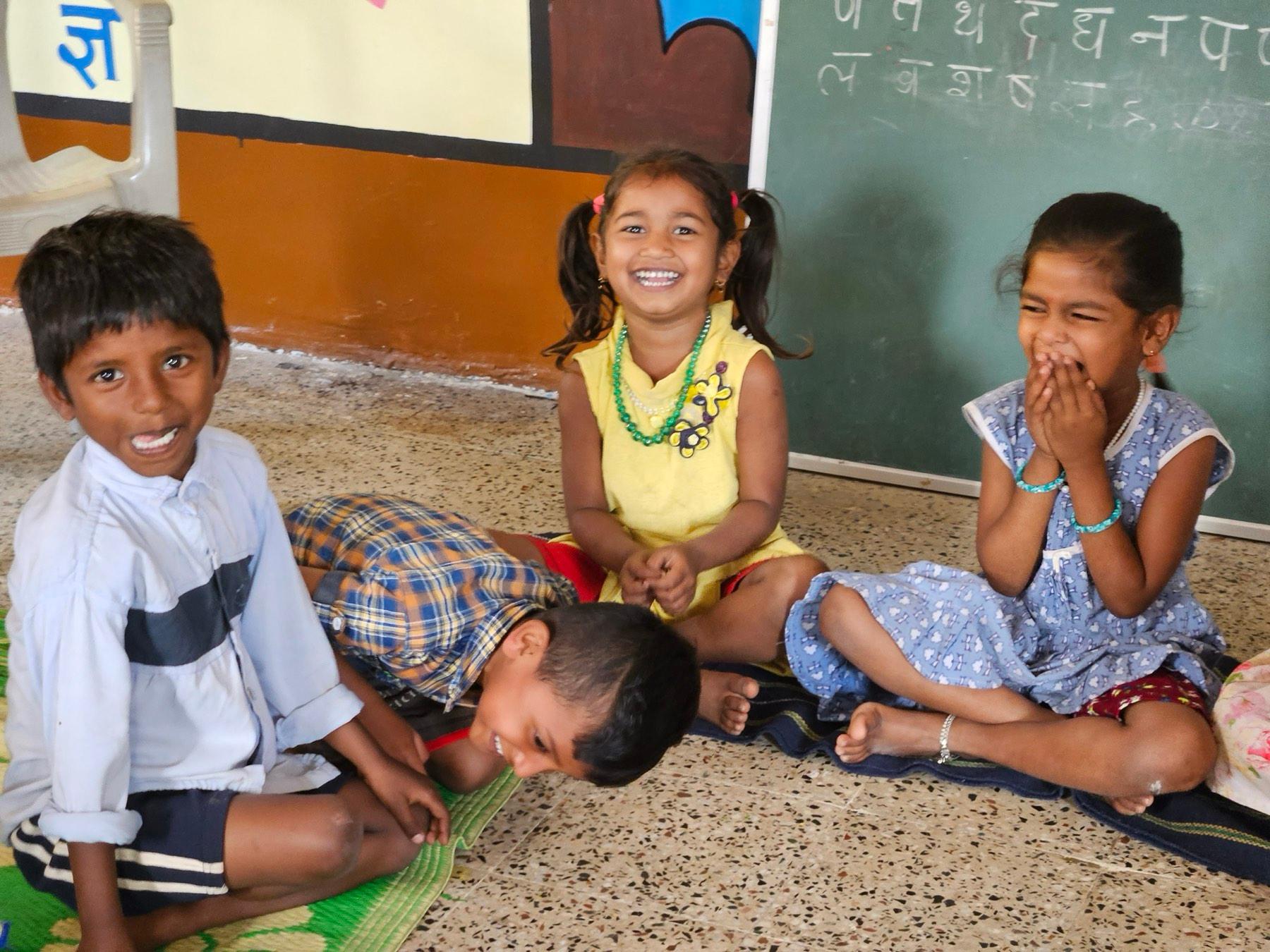
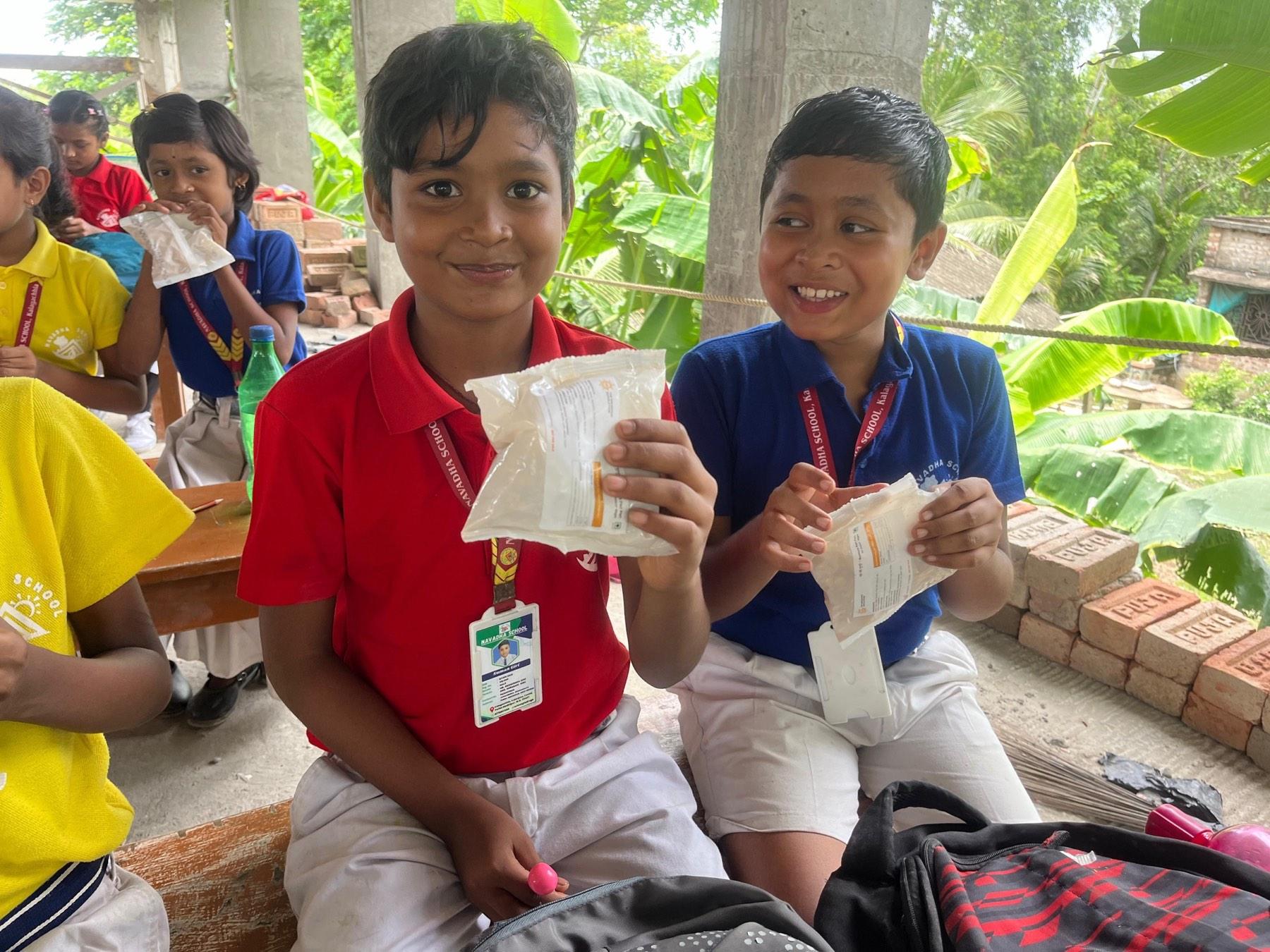
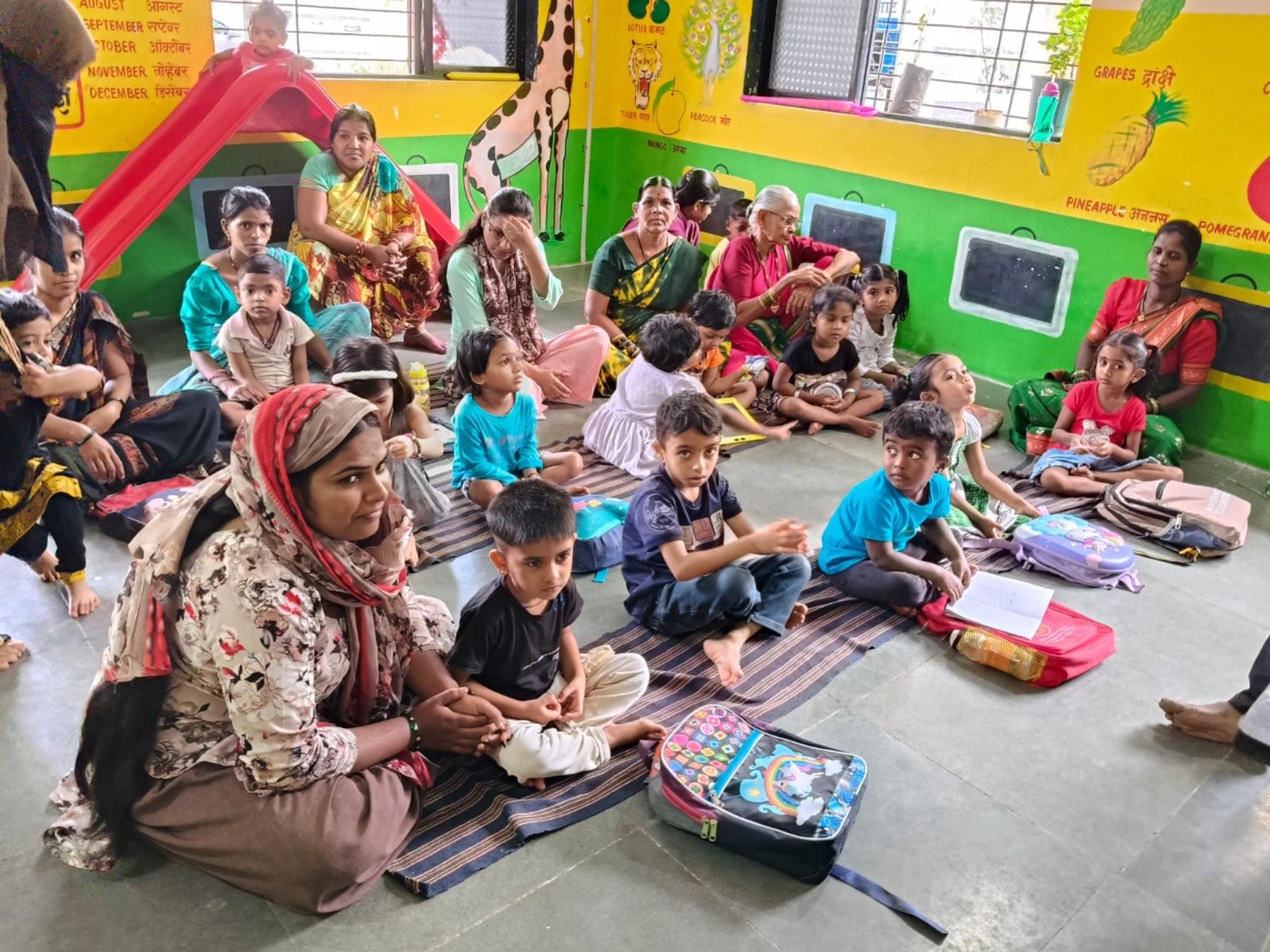
Every photograph here is real, taken in the schools and anganwadis where the programme runs.
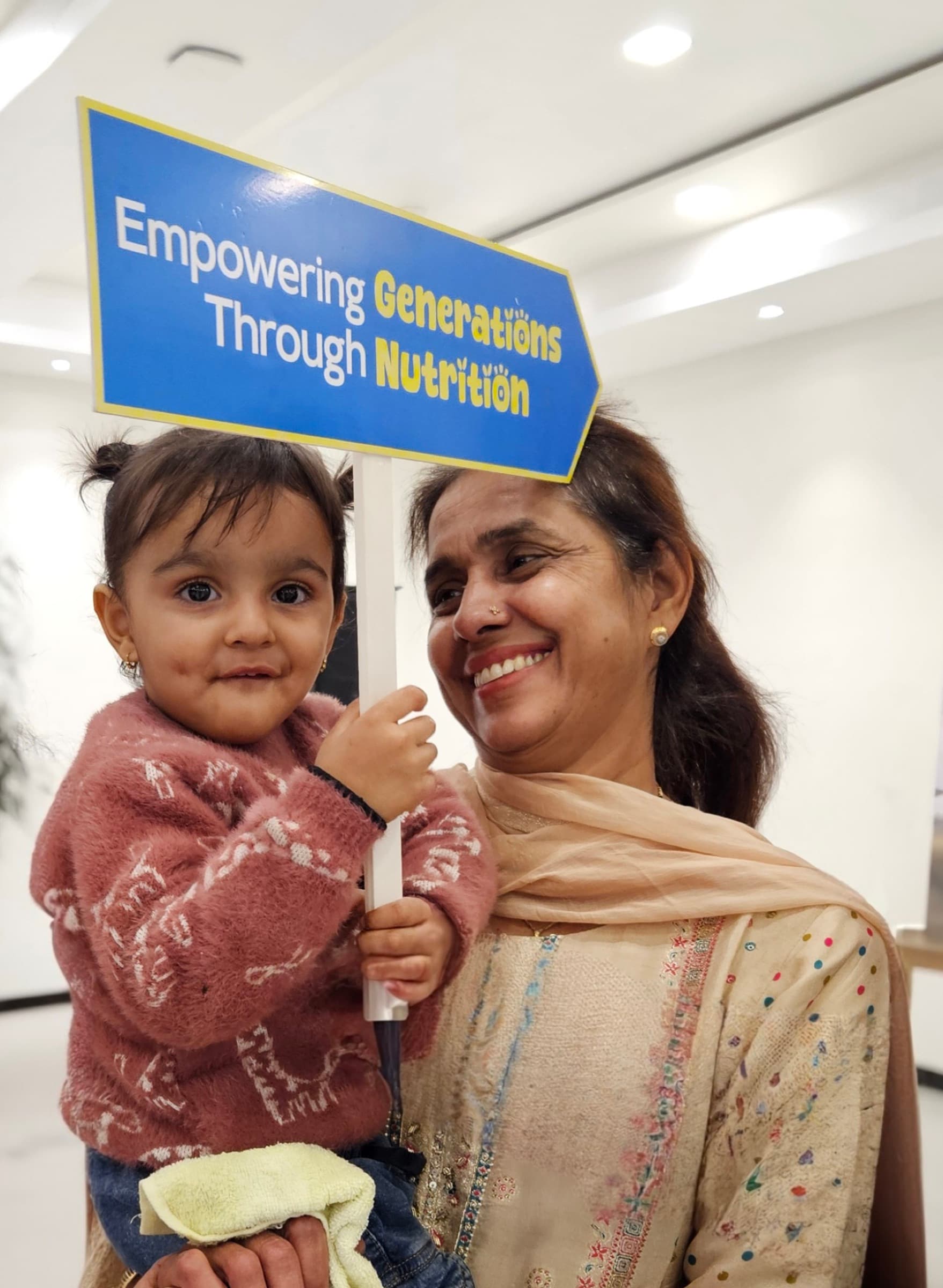
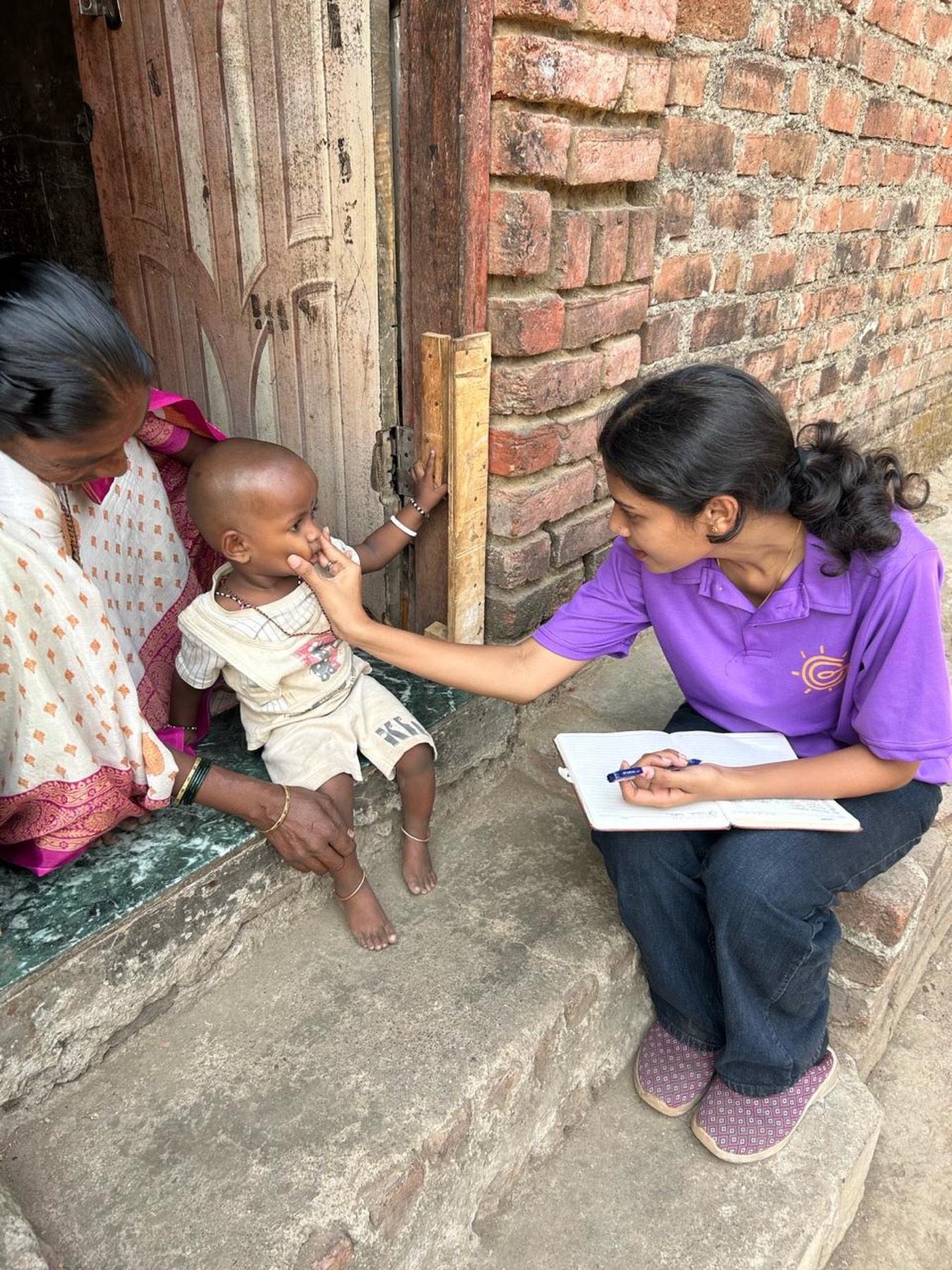
A mother and her child at a community event. 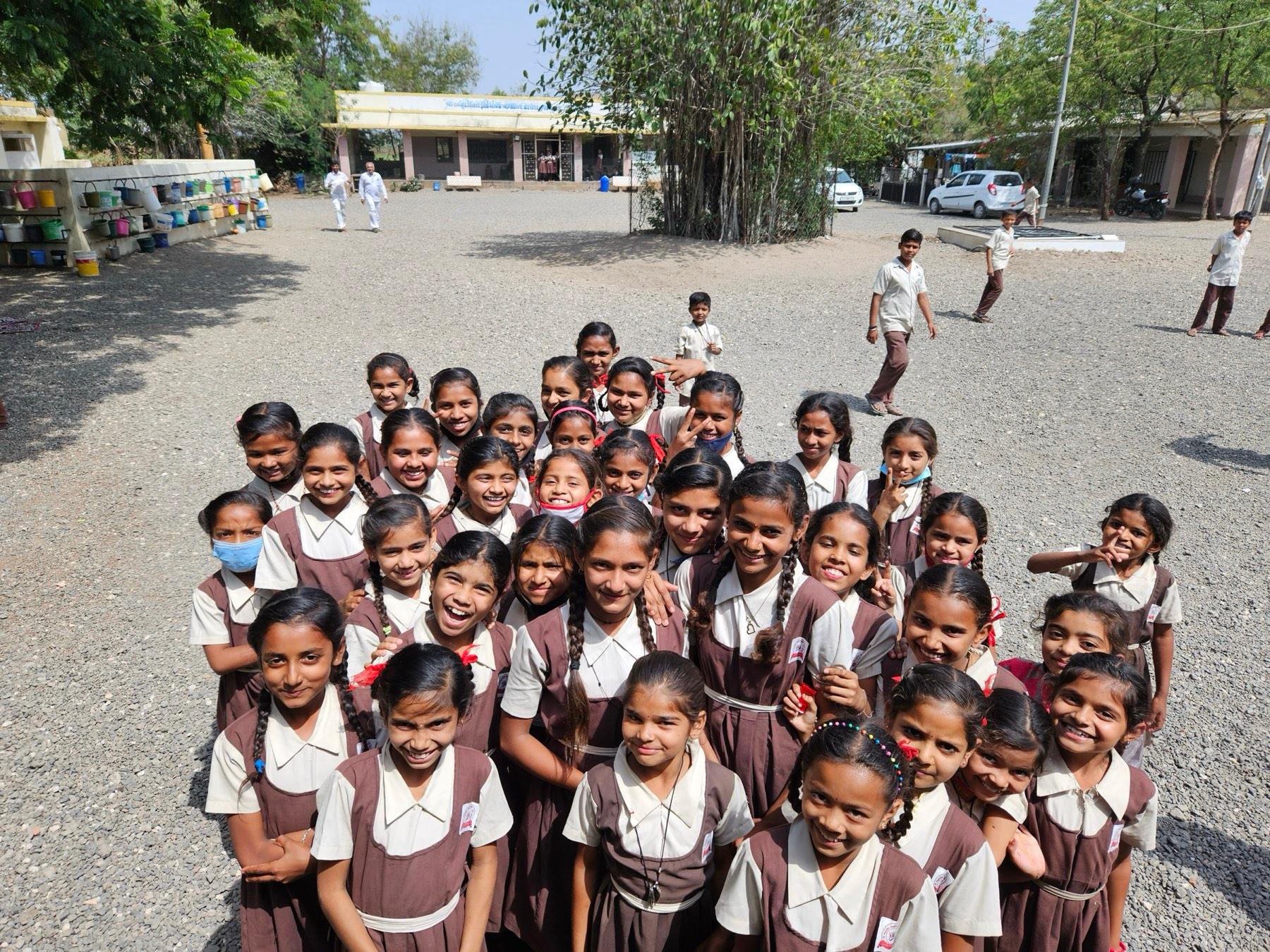
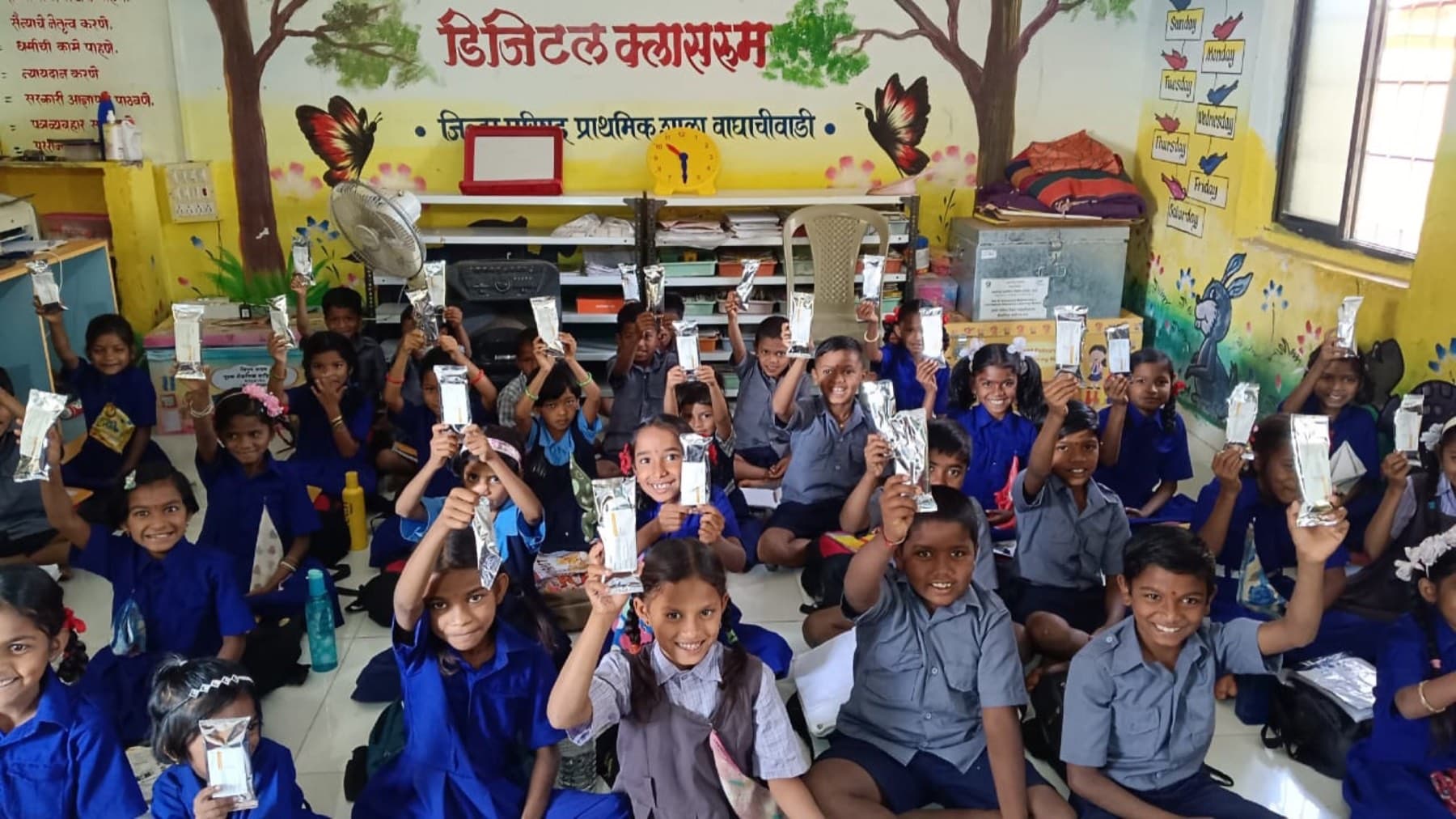
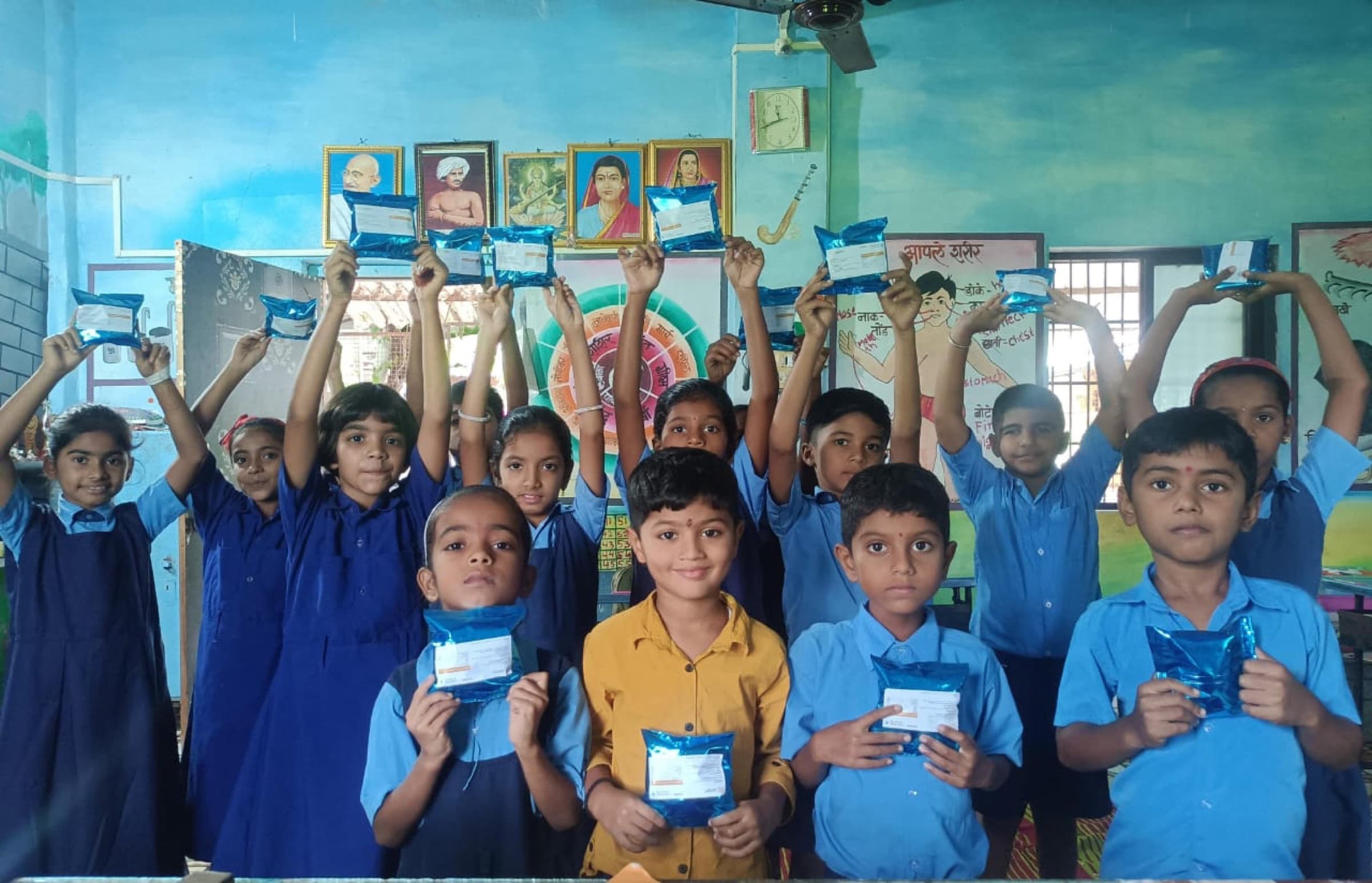
A whole class, sachets in the air. 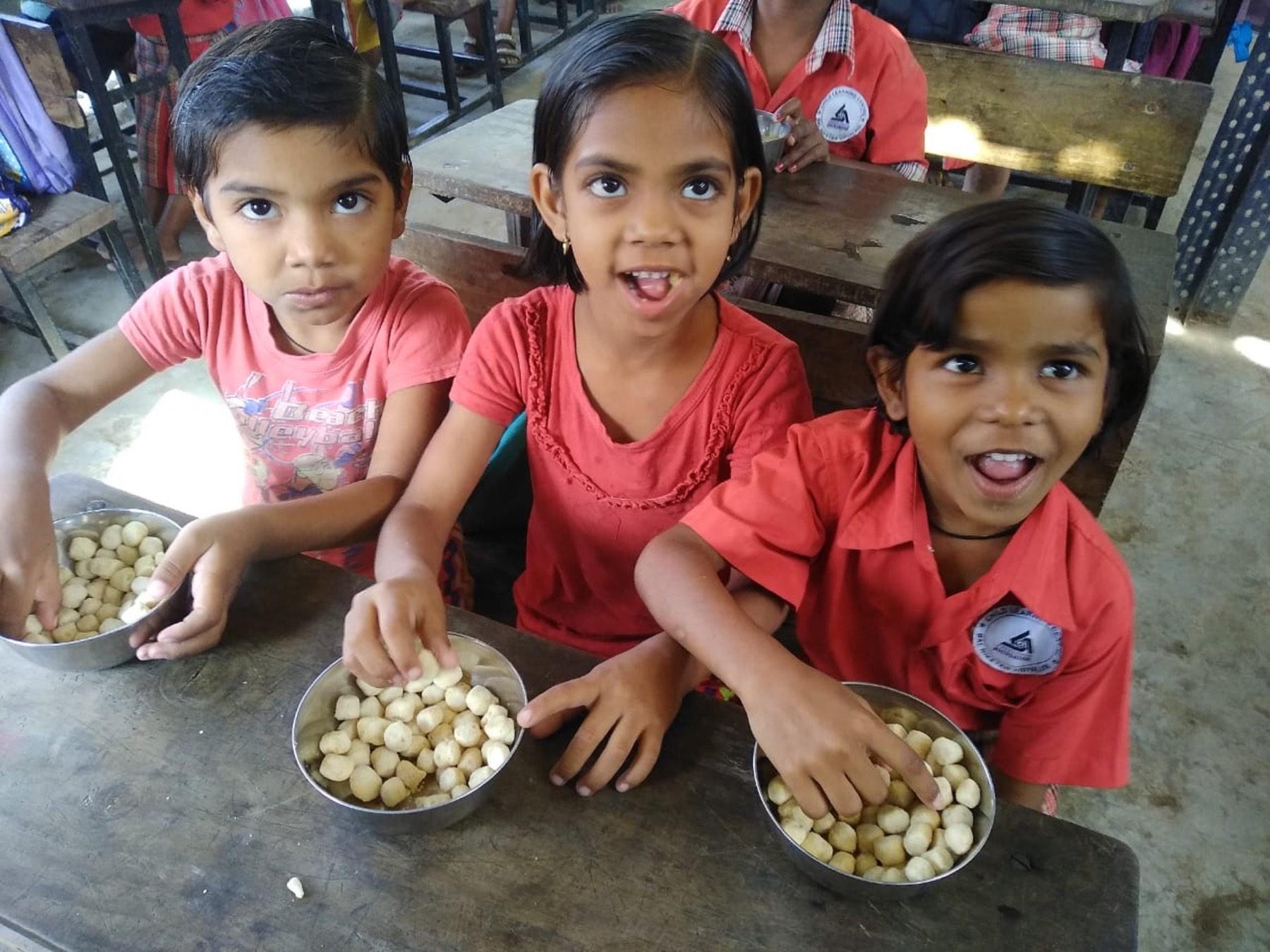
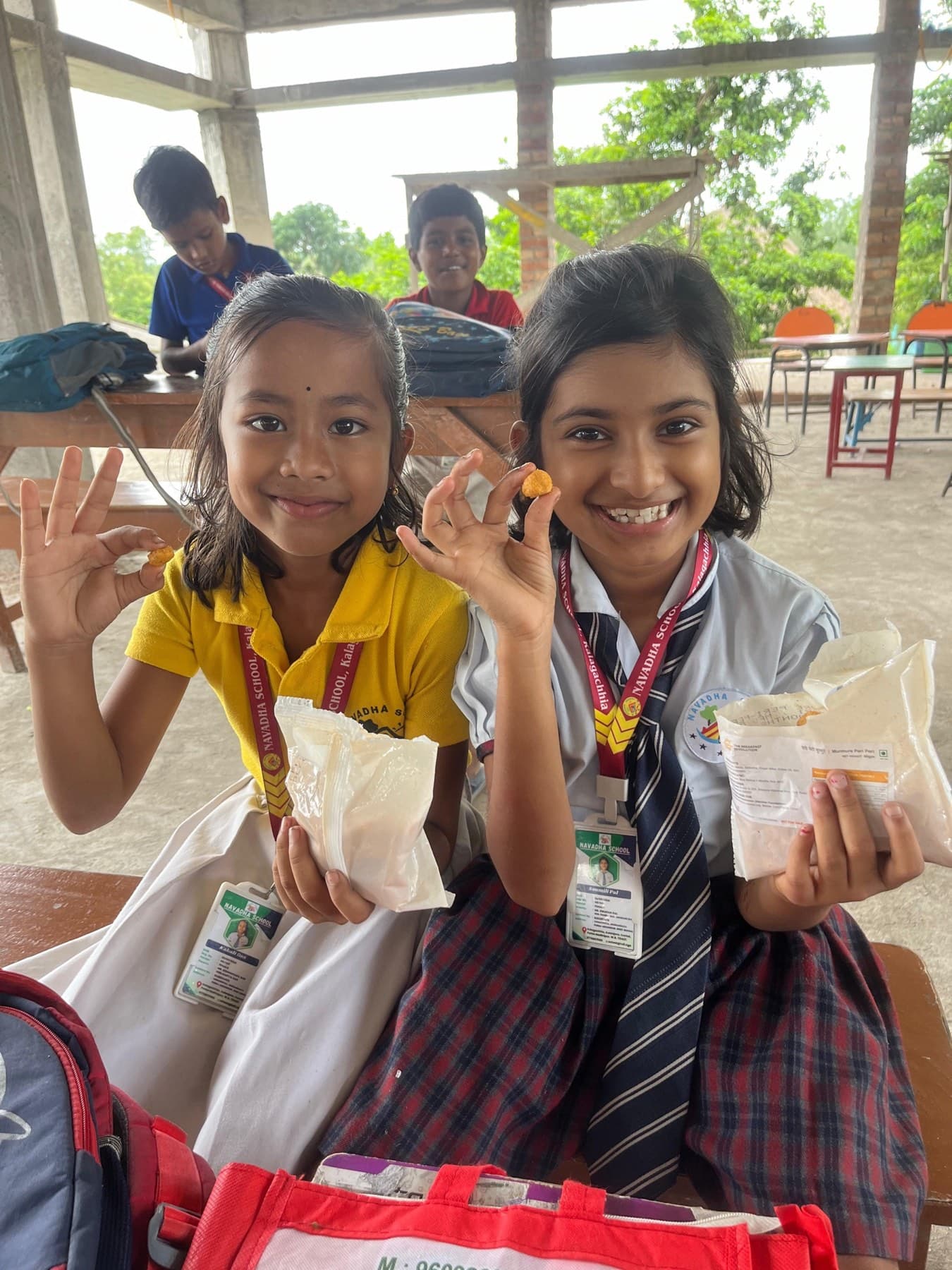
Two schoolgirls, packets held up. 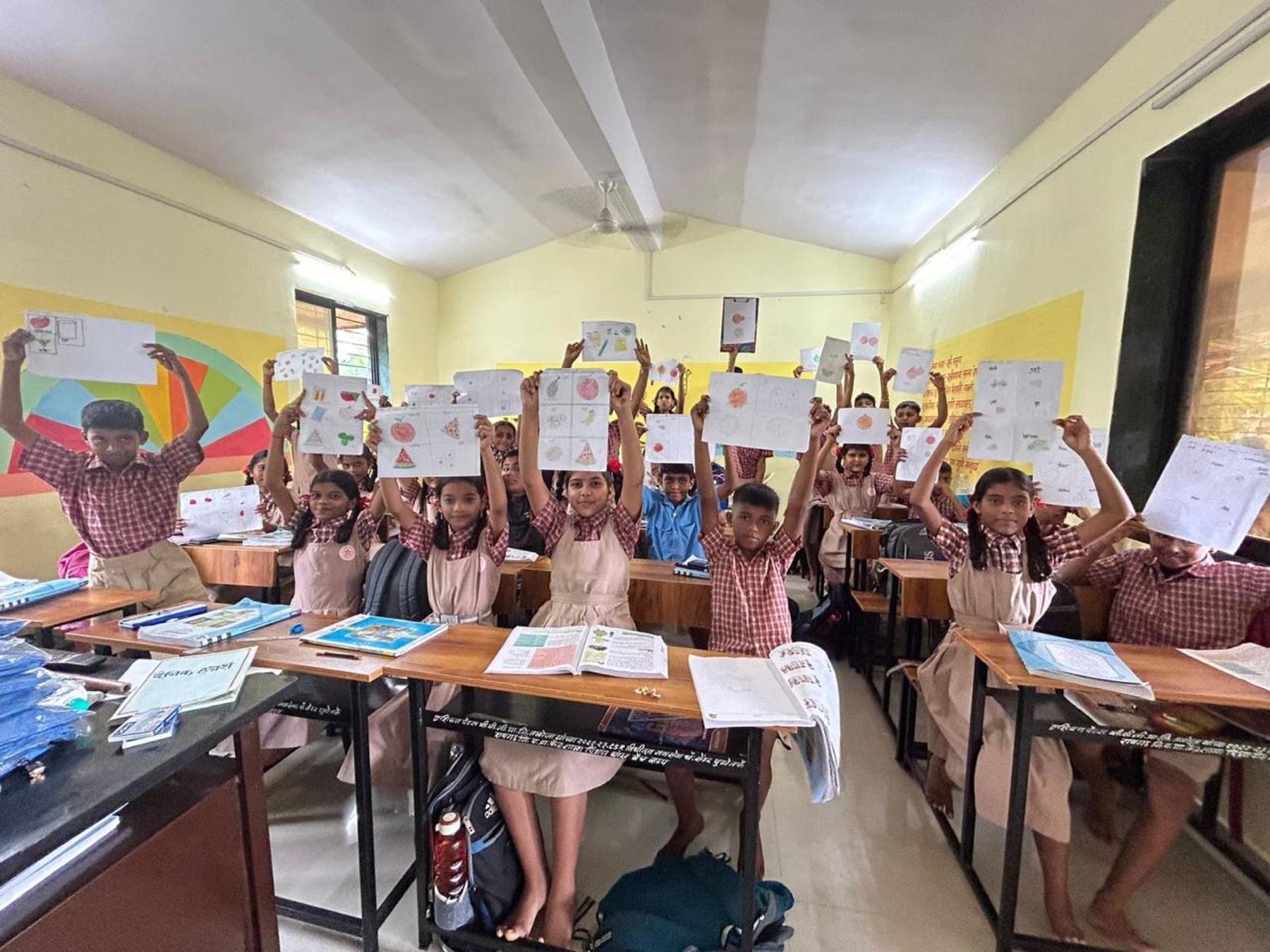

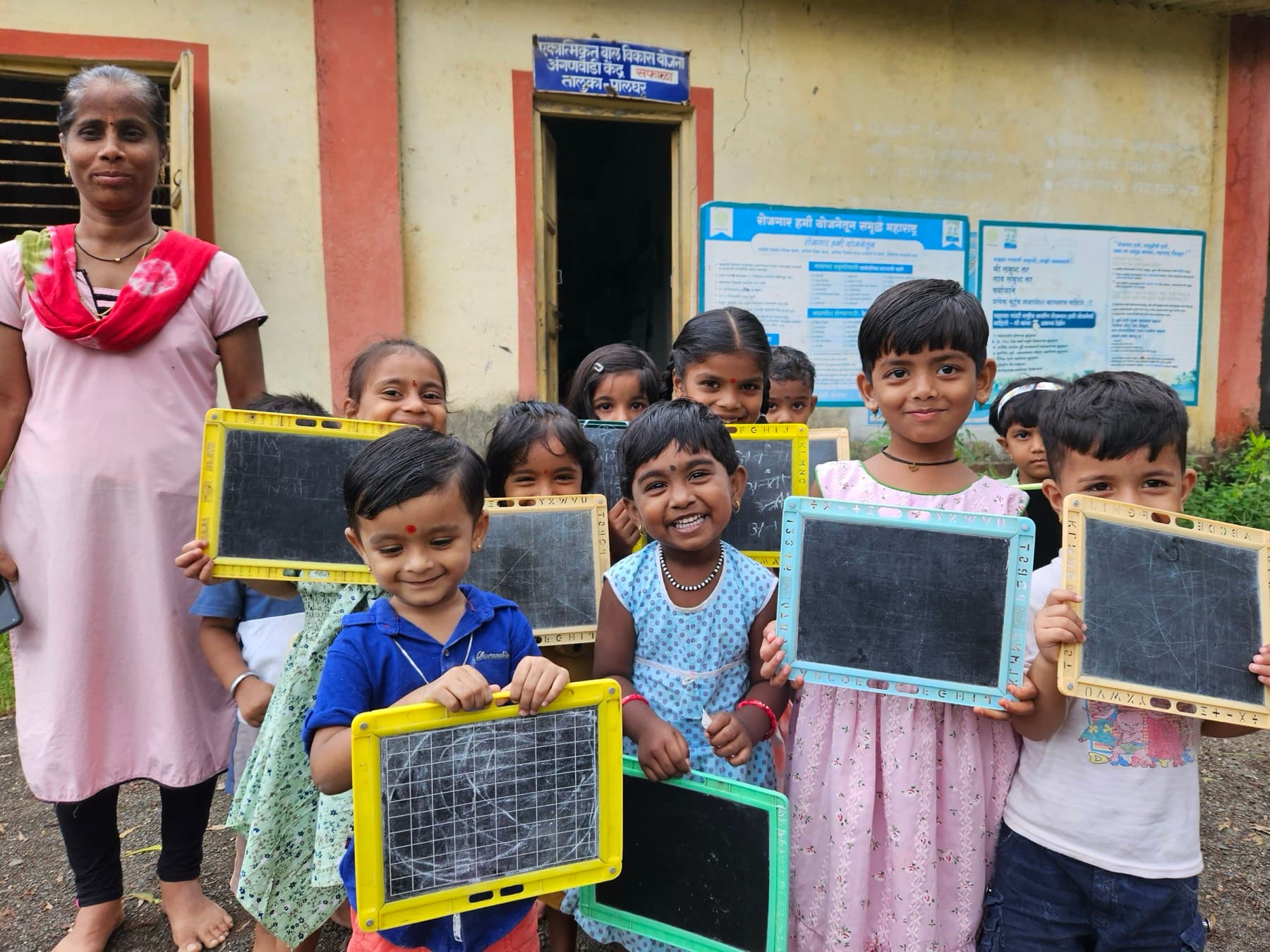
Slates up, beside their teacher. 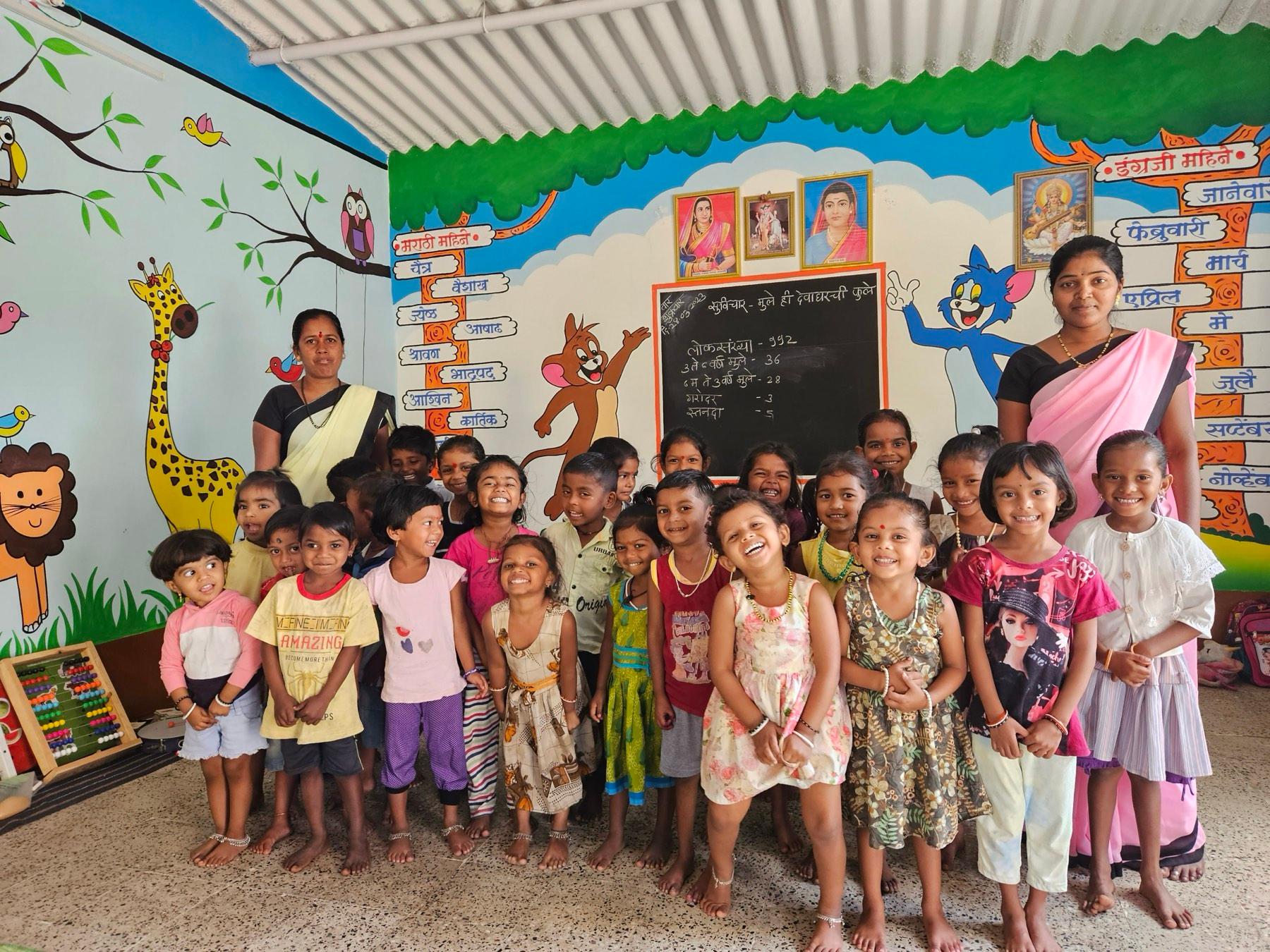
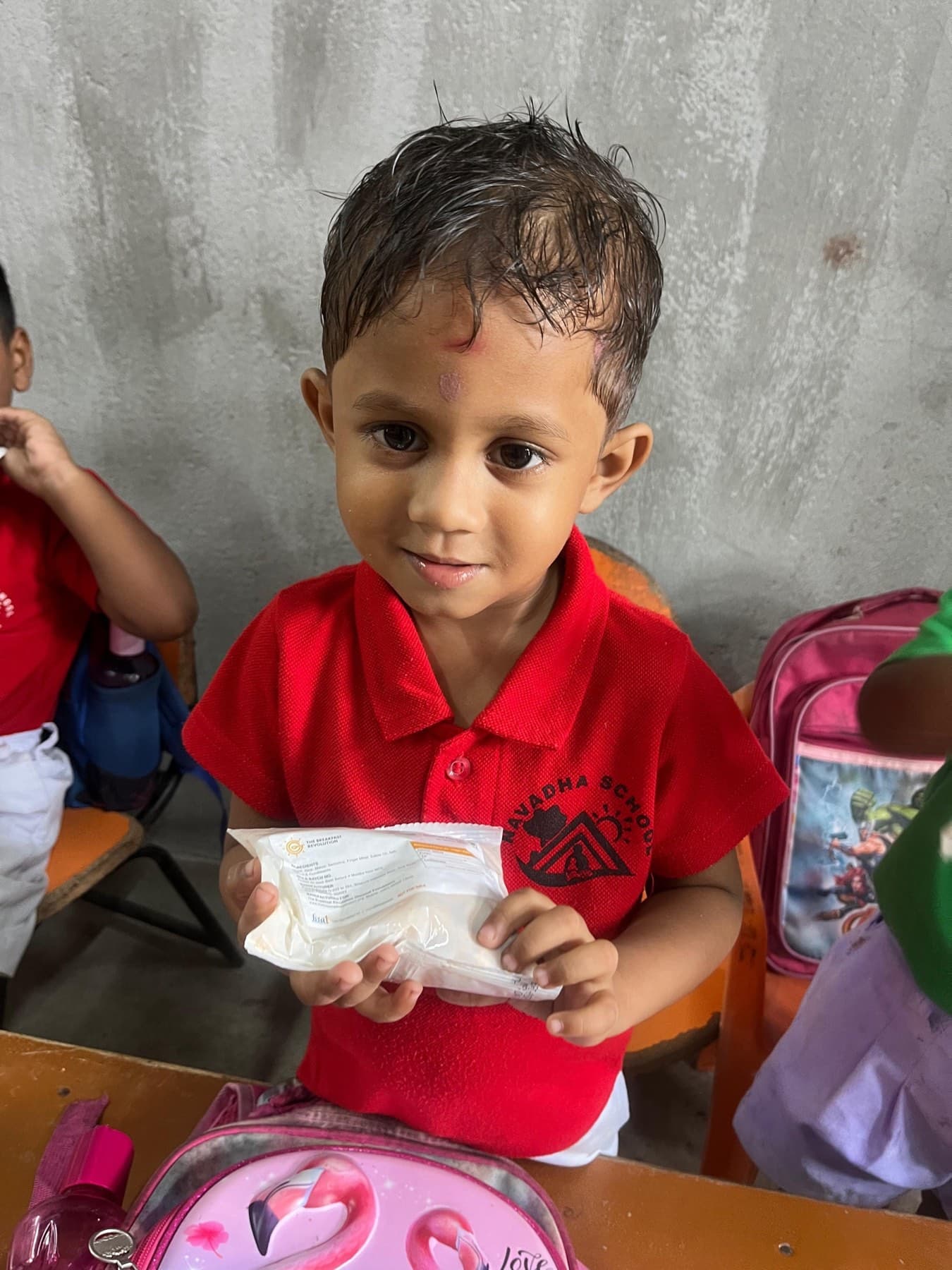
His packet of the morning mix. 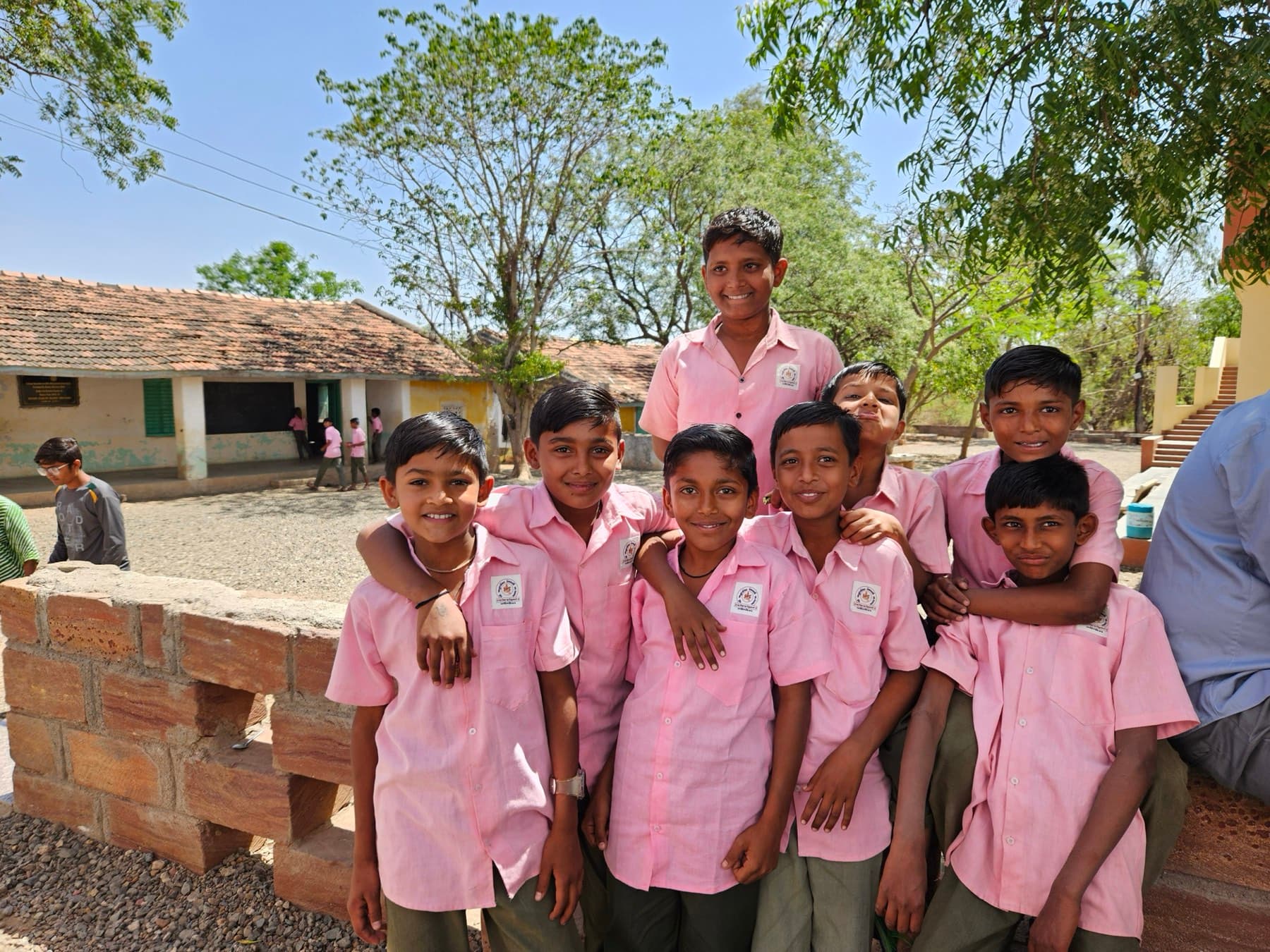
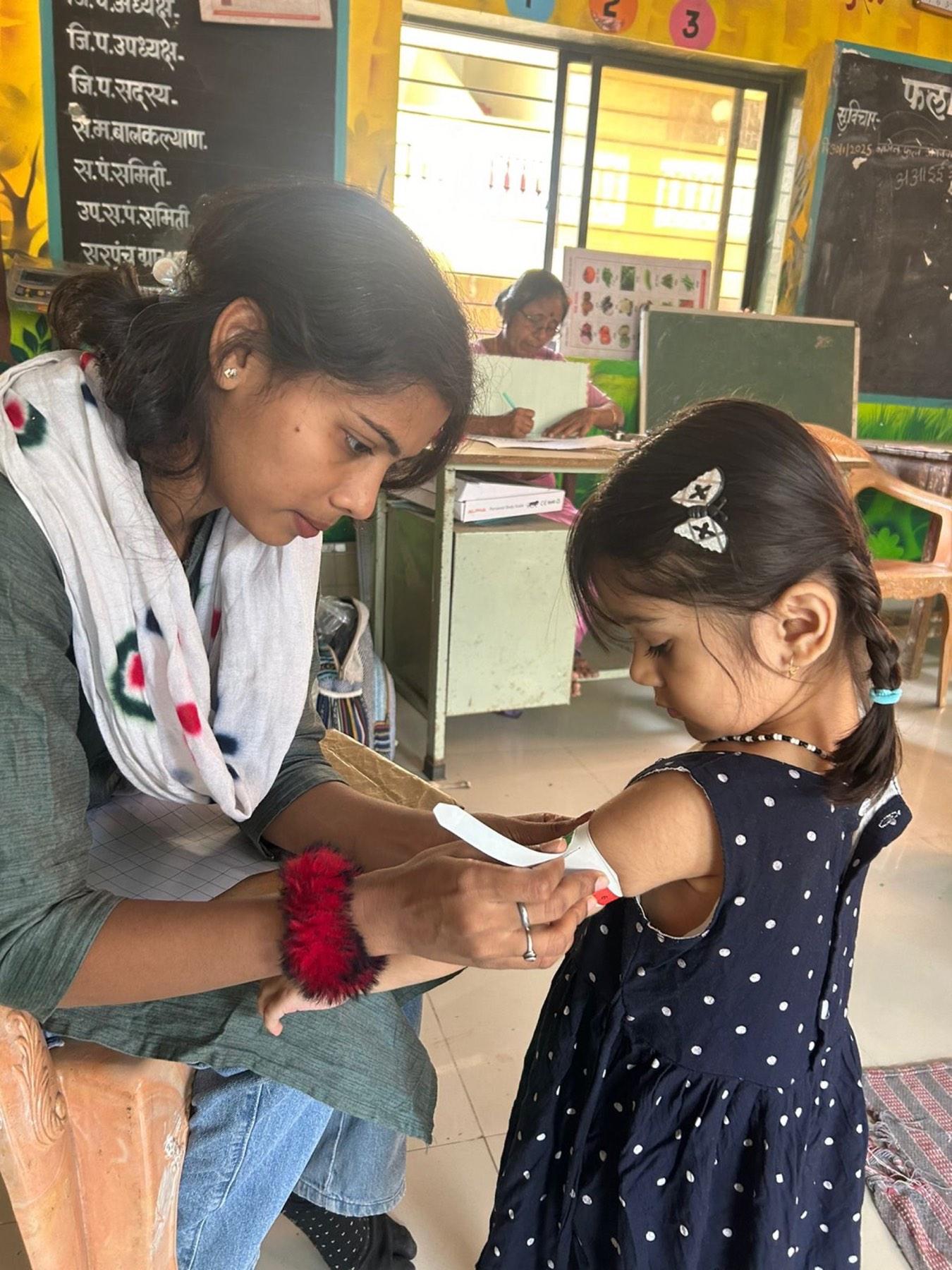
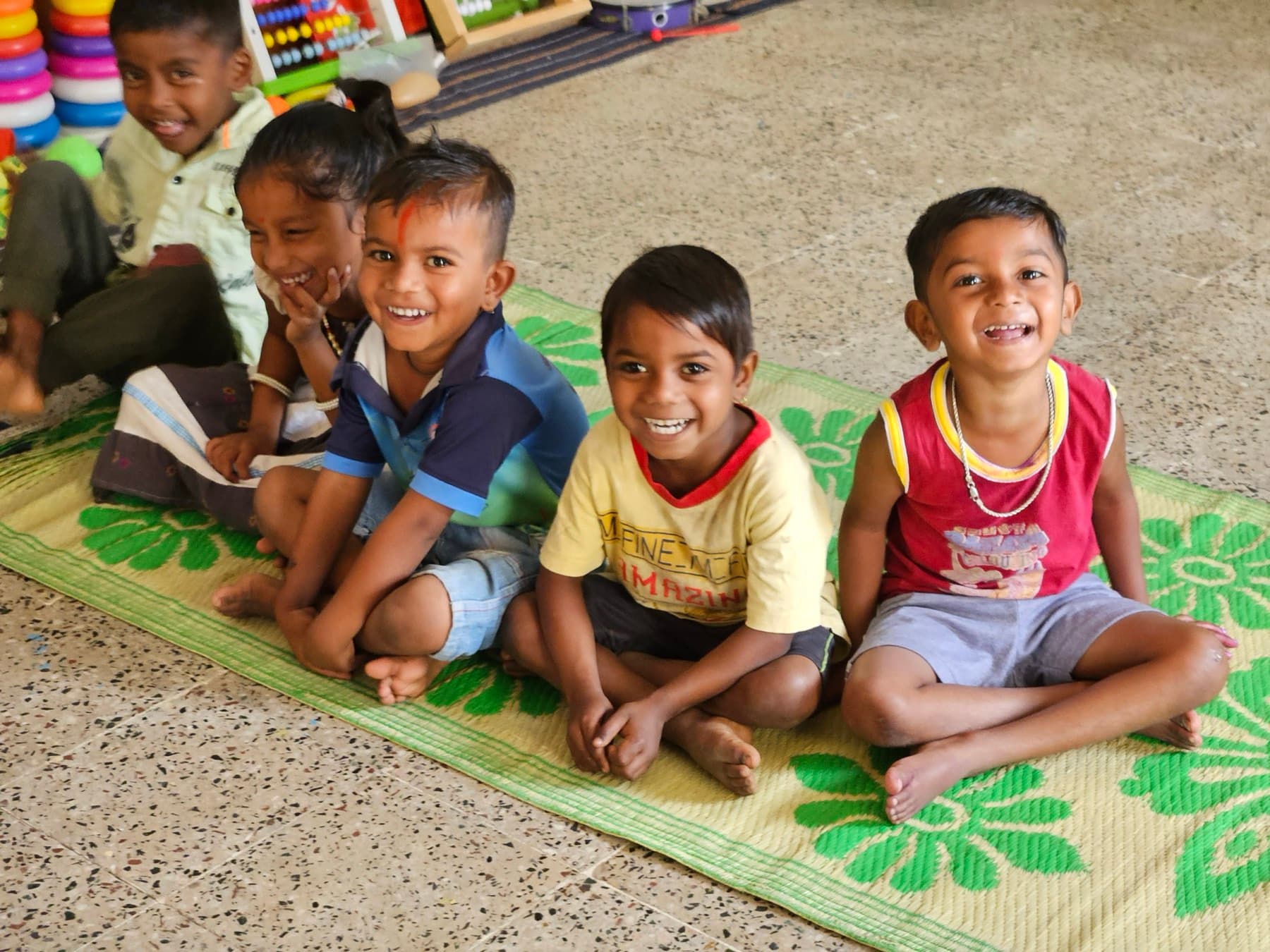
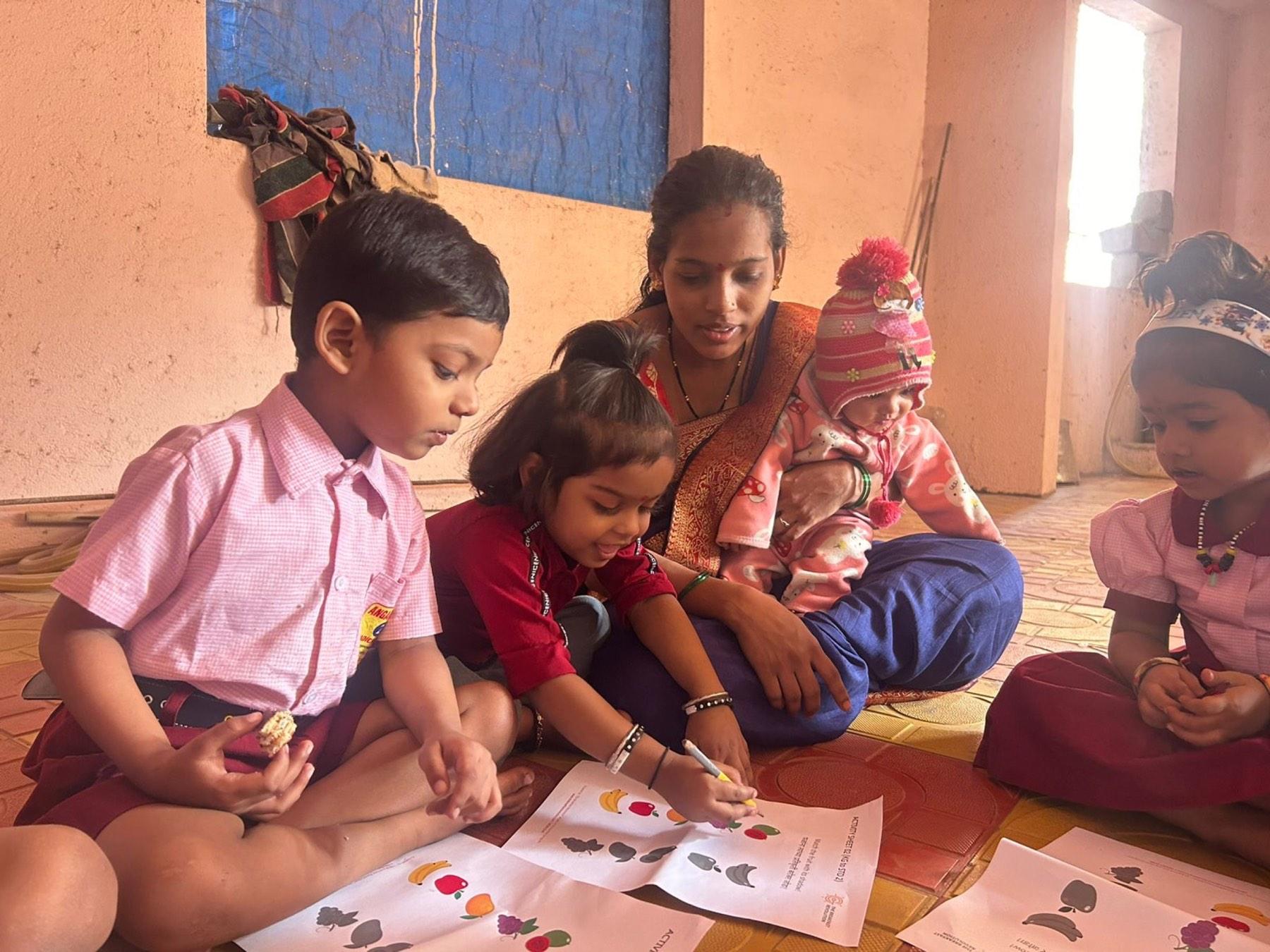
Five children, laughing on a mat. 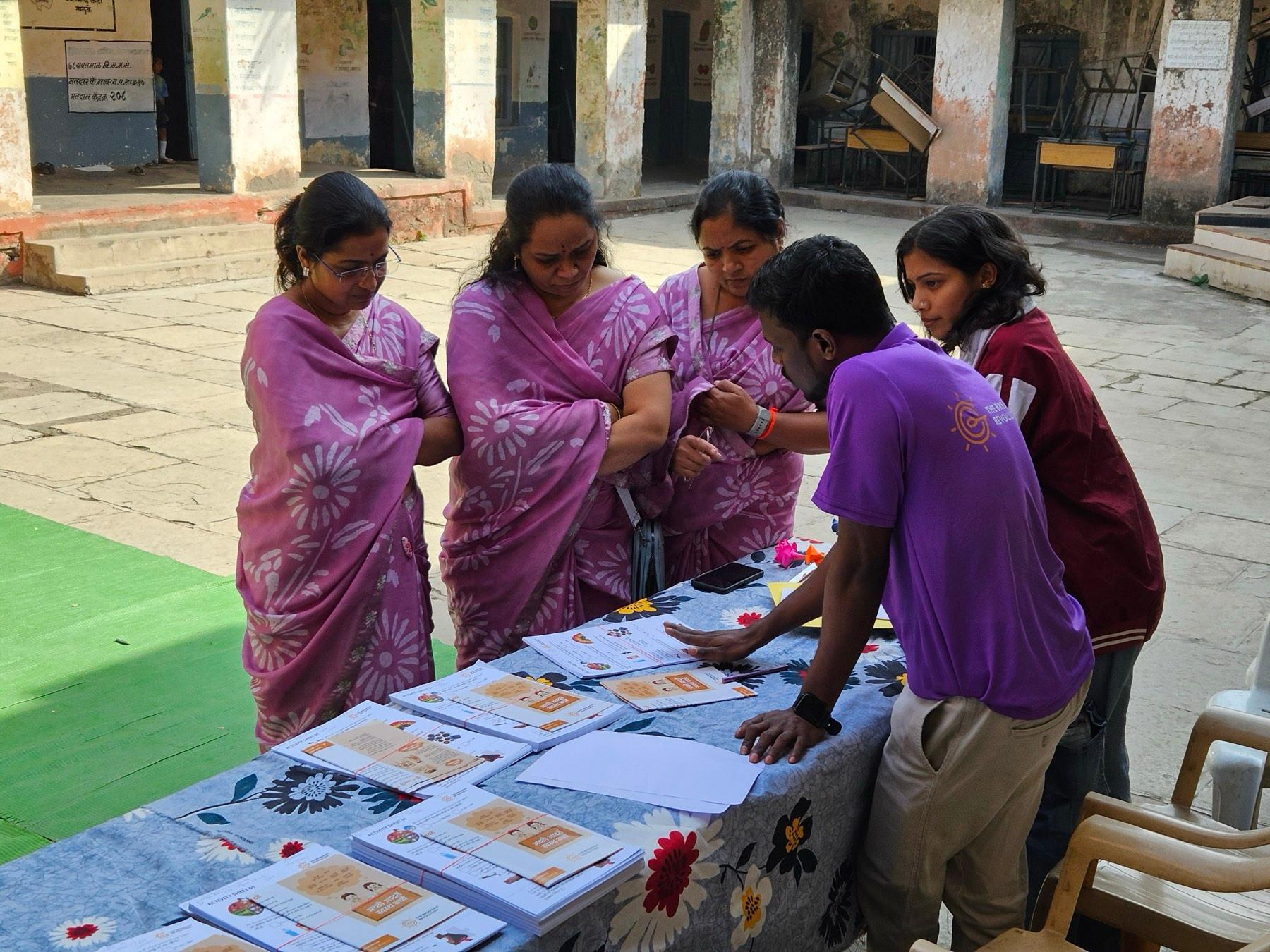
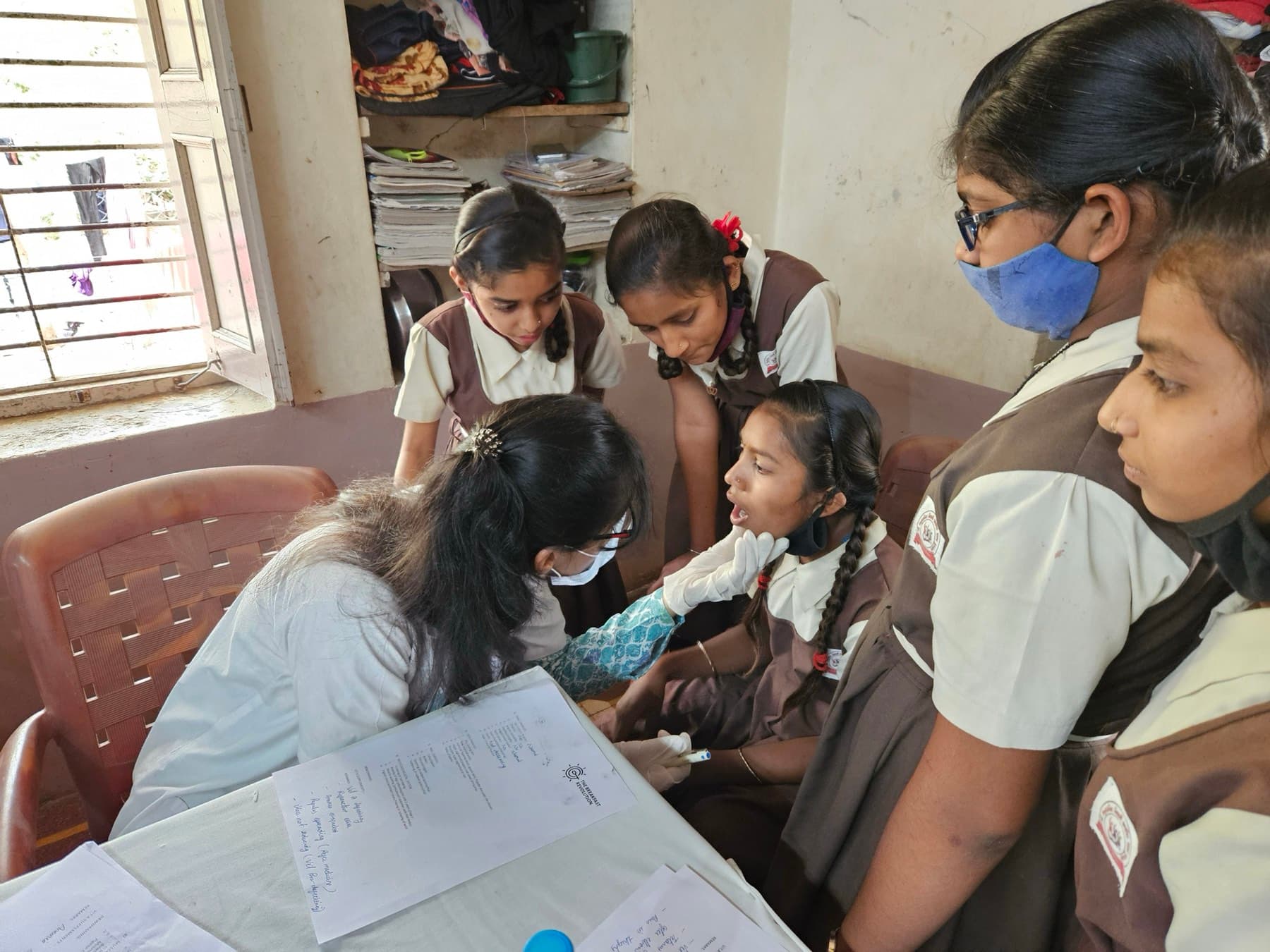
A quick check at school. 
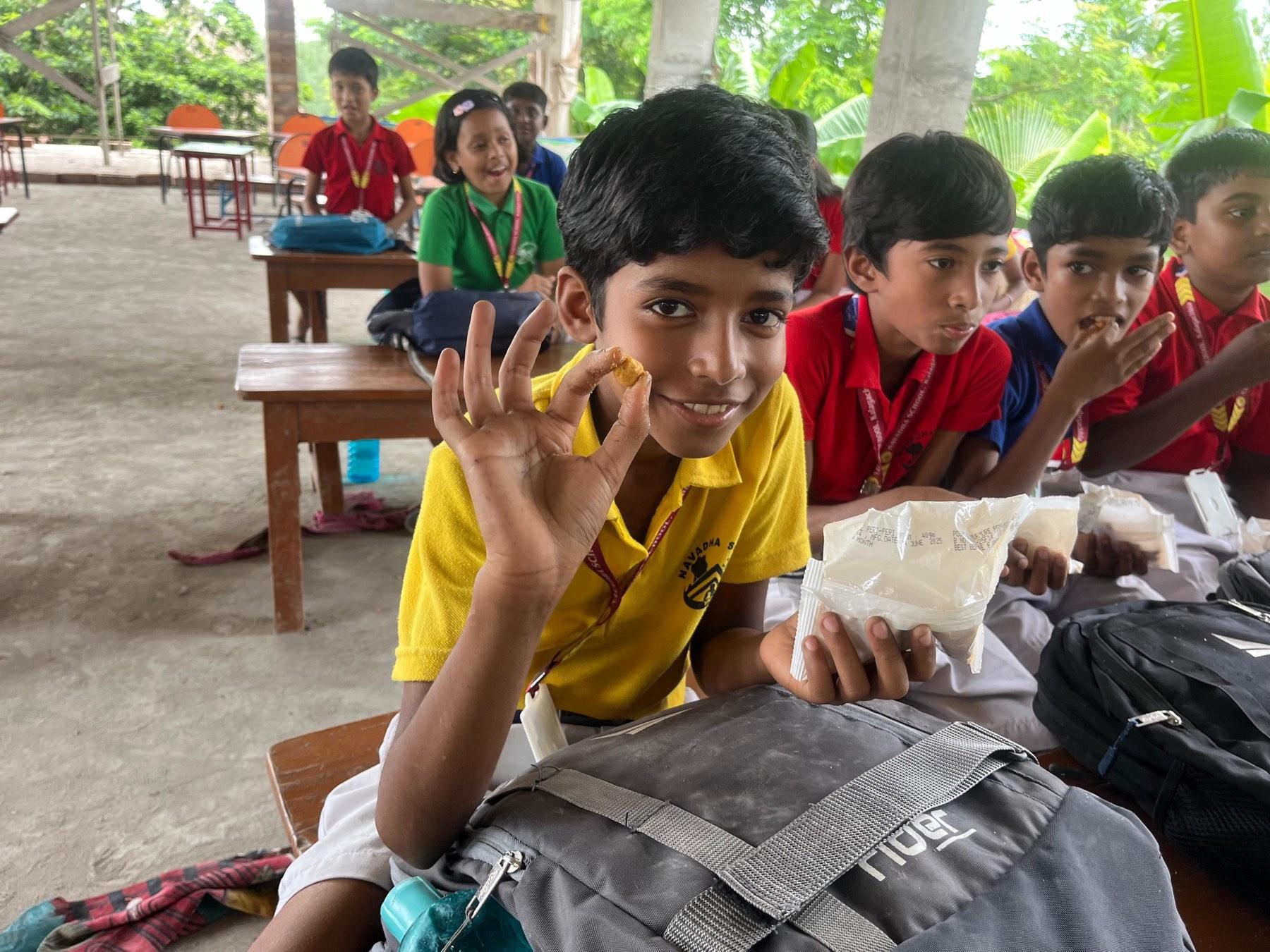

A lunch box, and a shy smile. 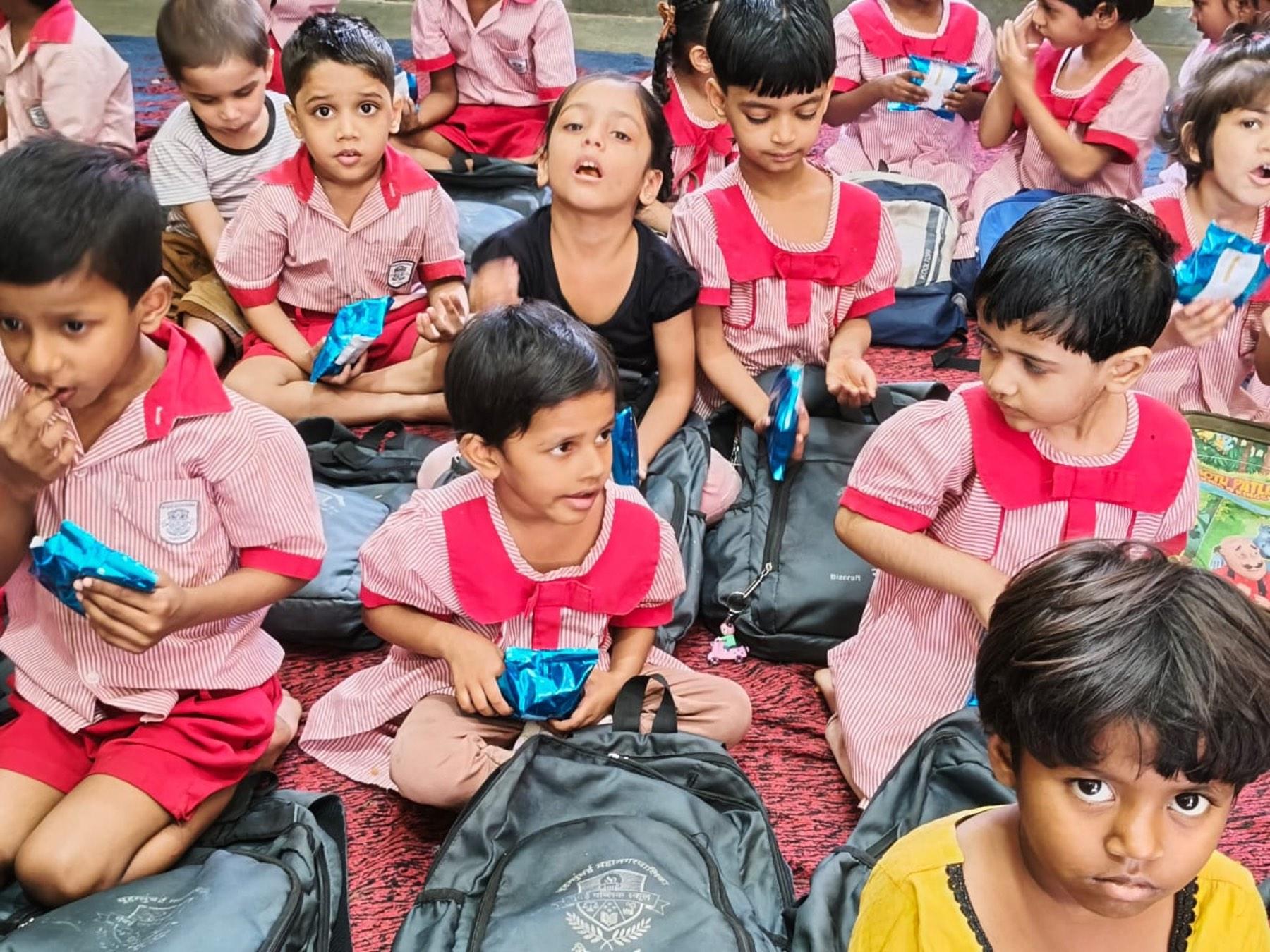
Sachets in hand, in class. 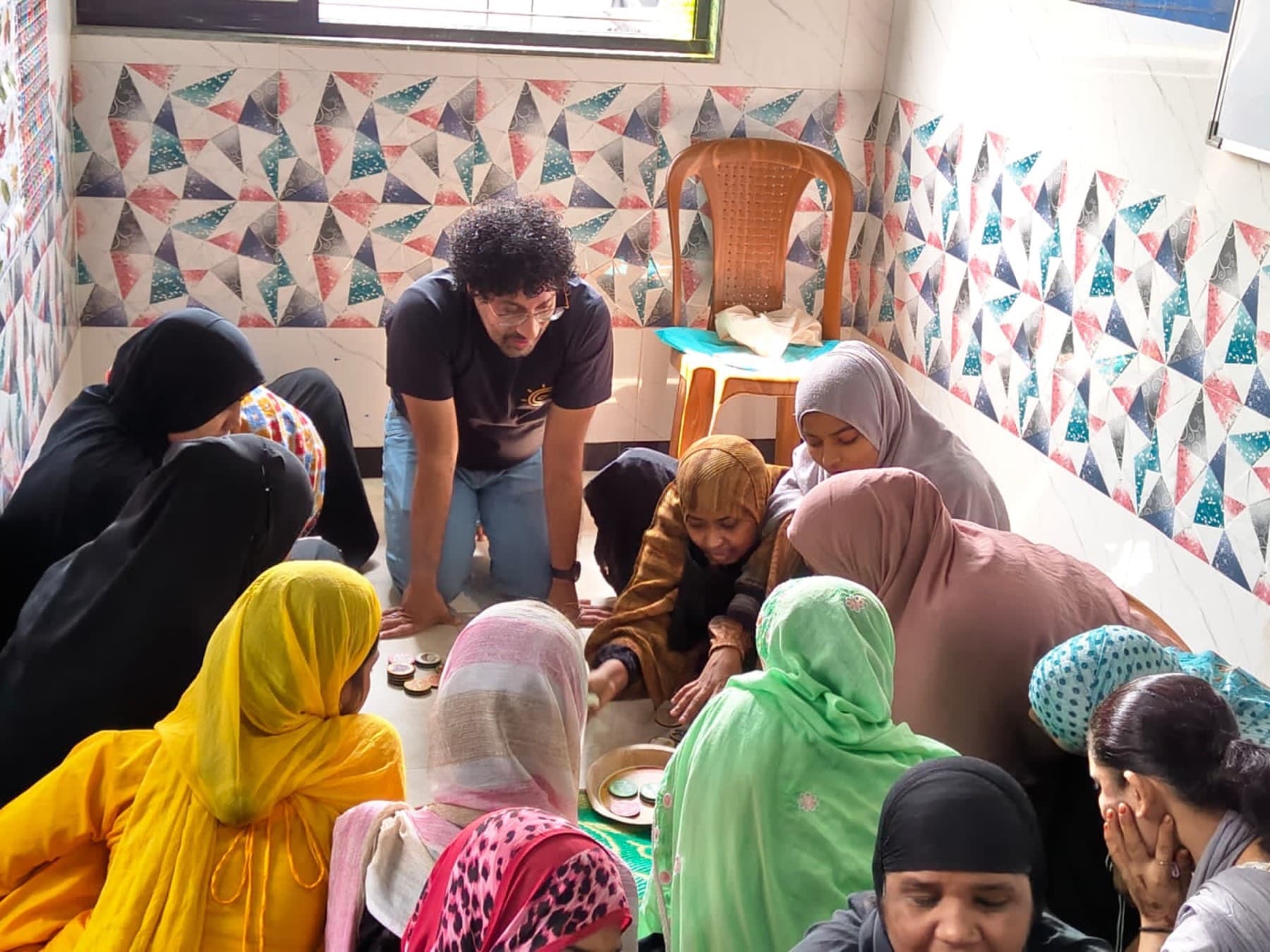
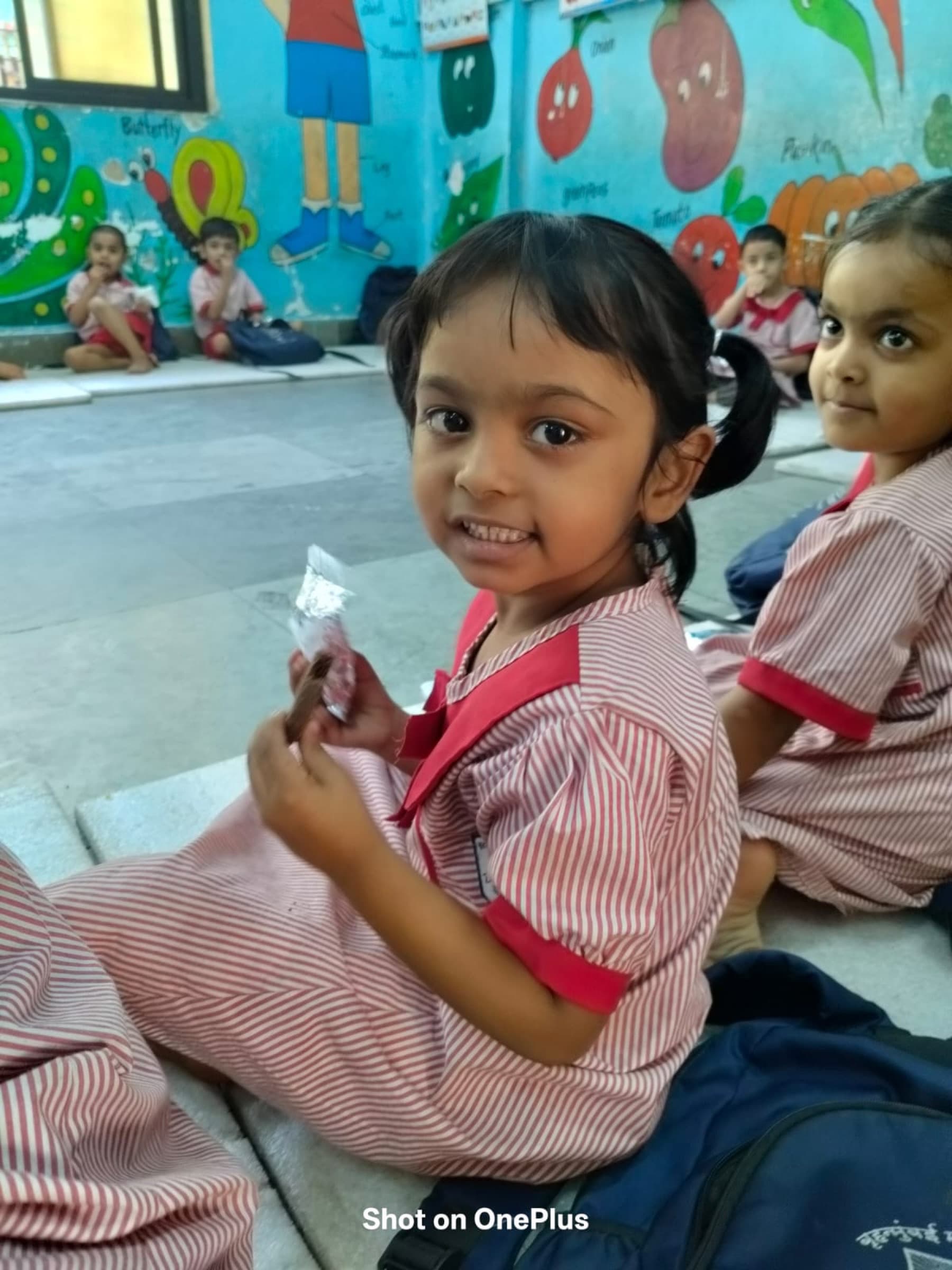
A piece of the protein snack. 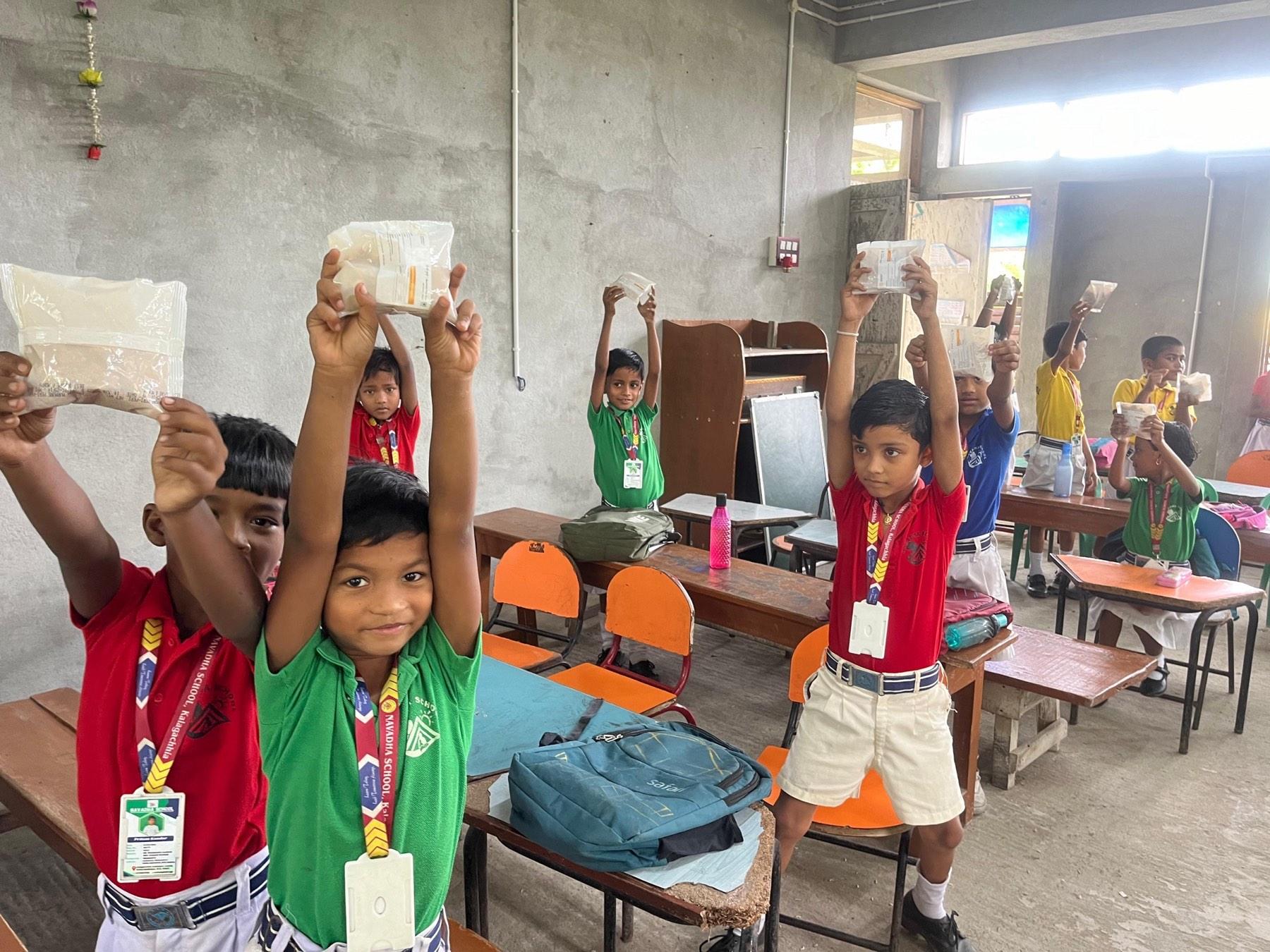
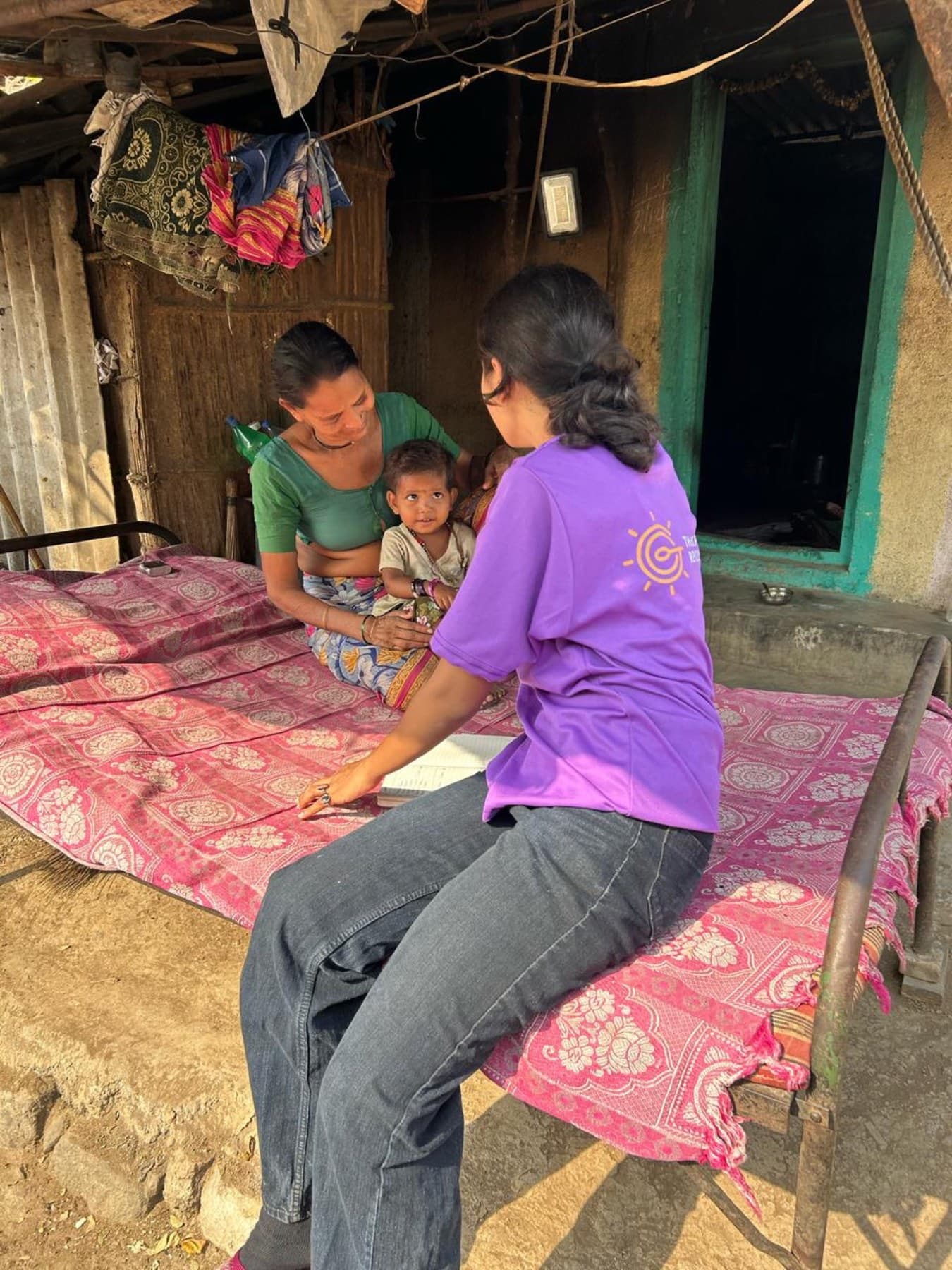
A home visit. 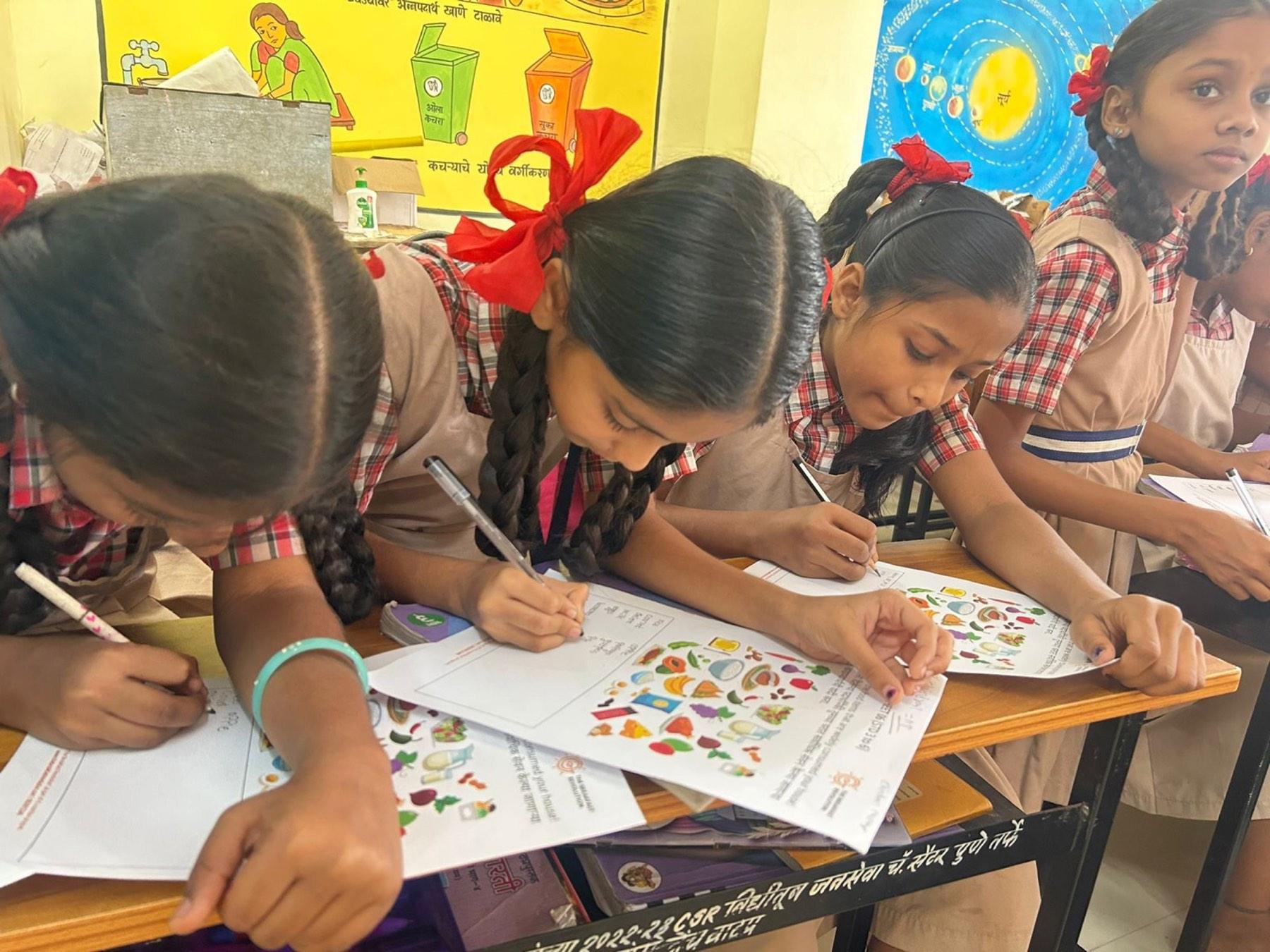
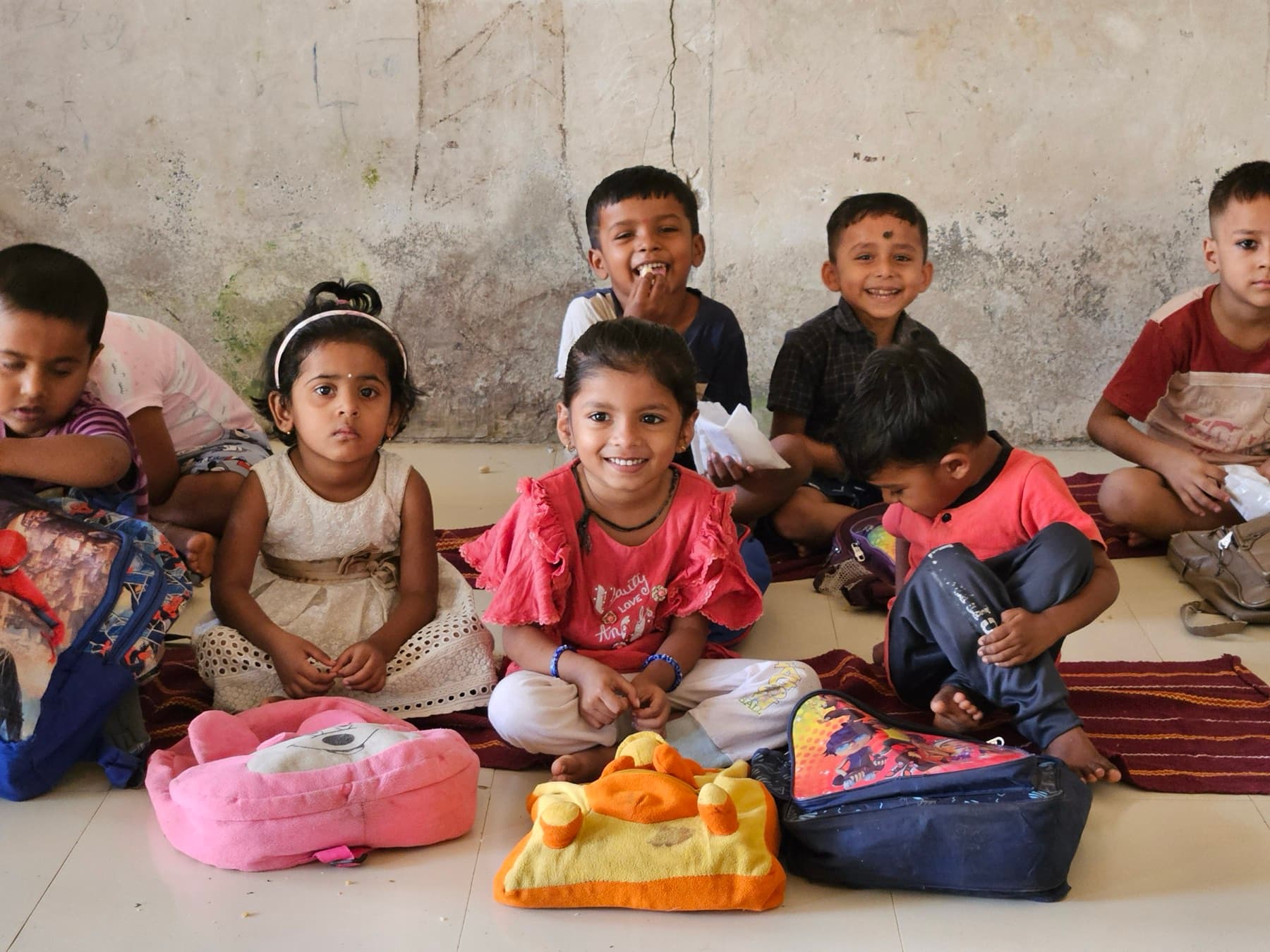
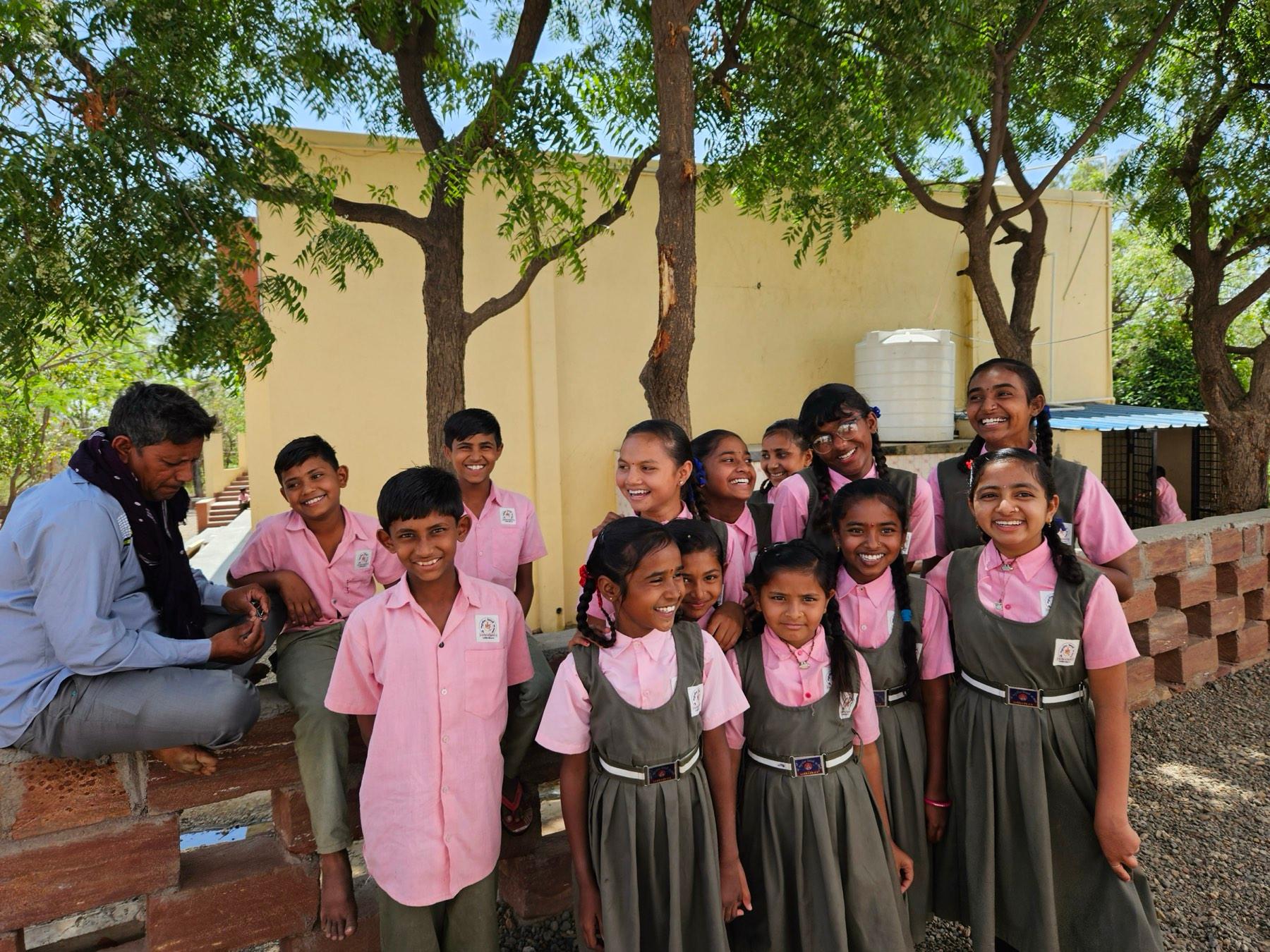
Smiles on the anganwadi floor. 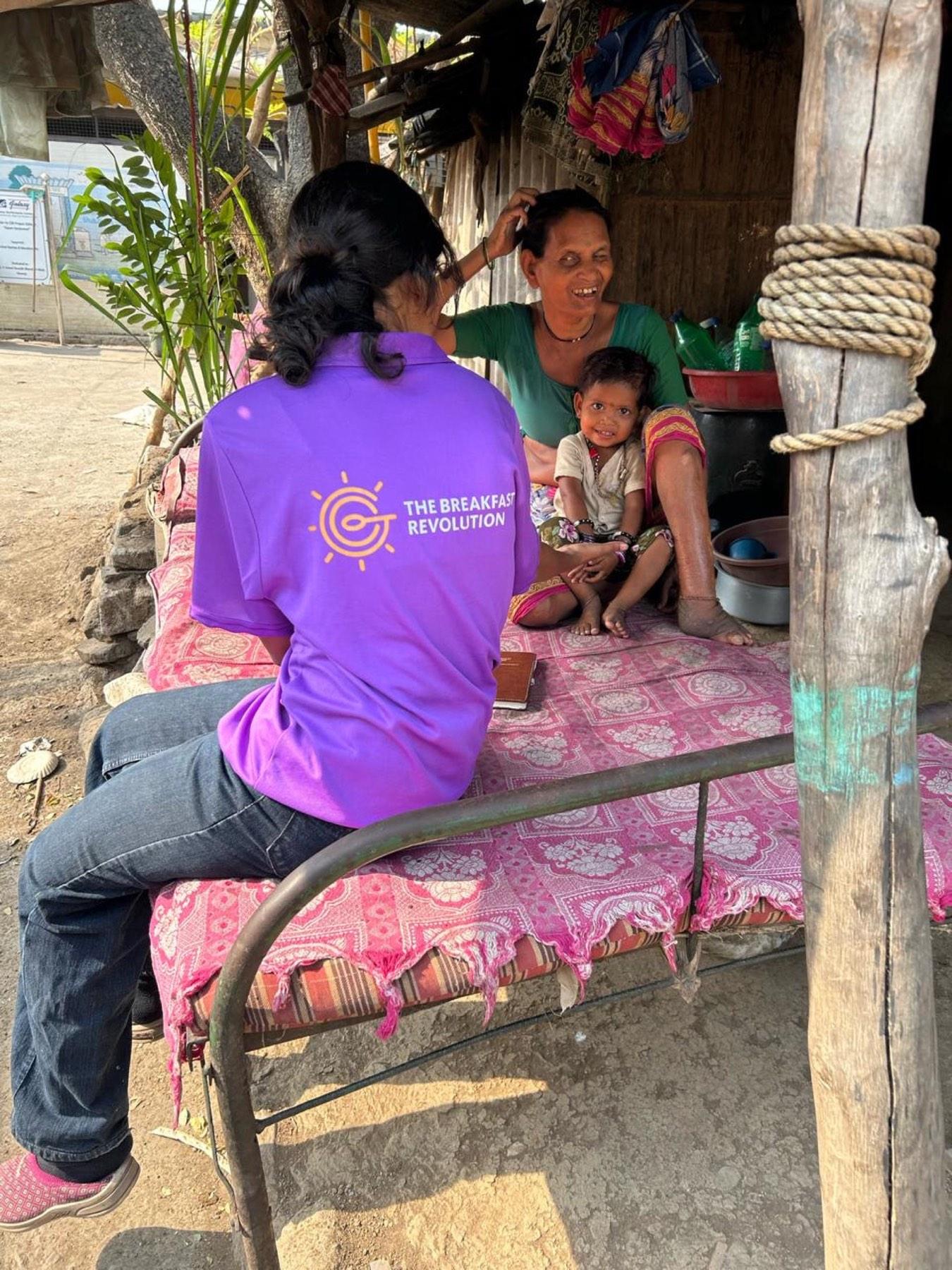
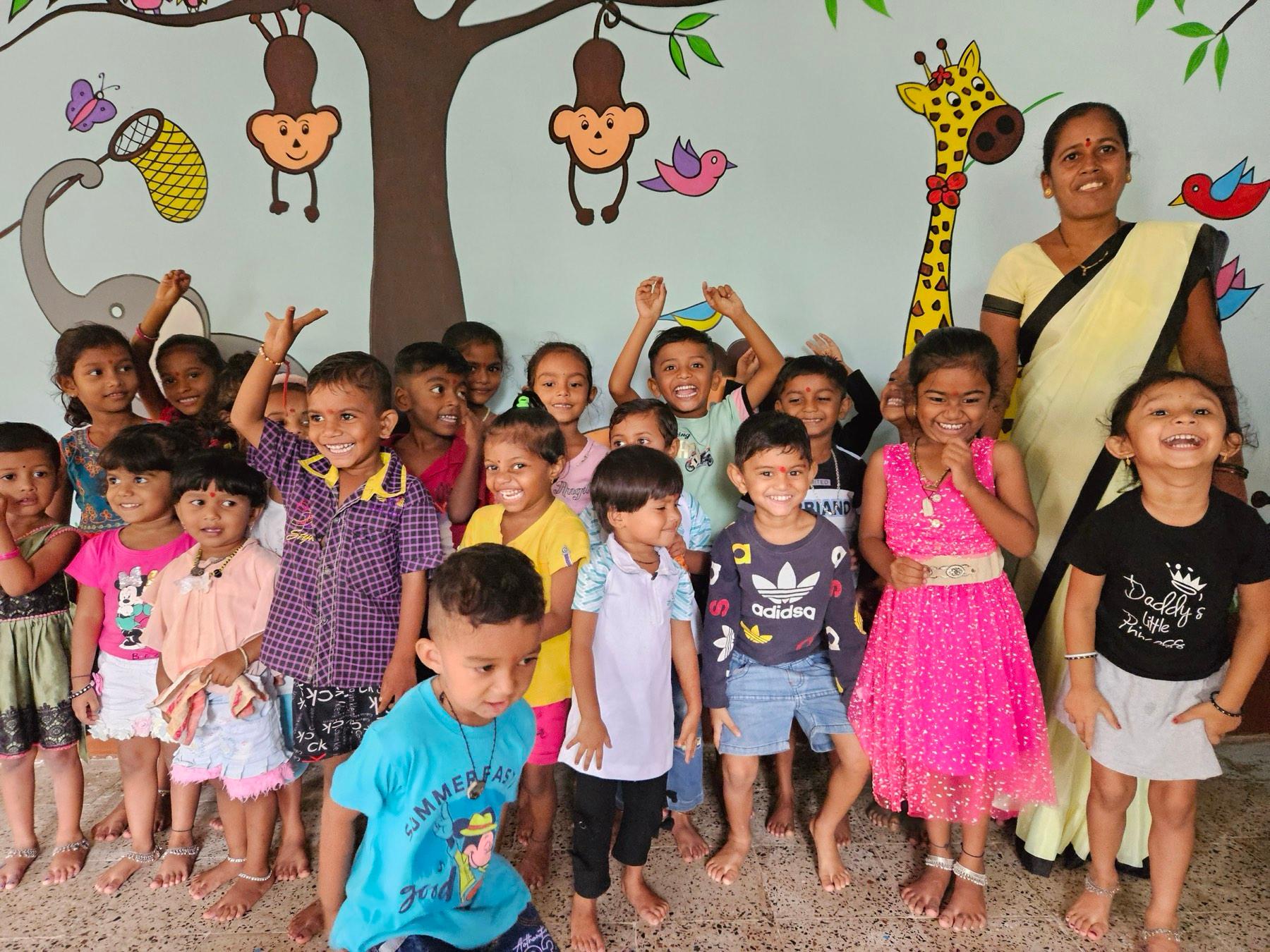
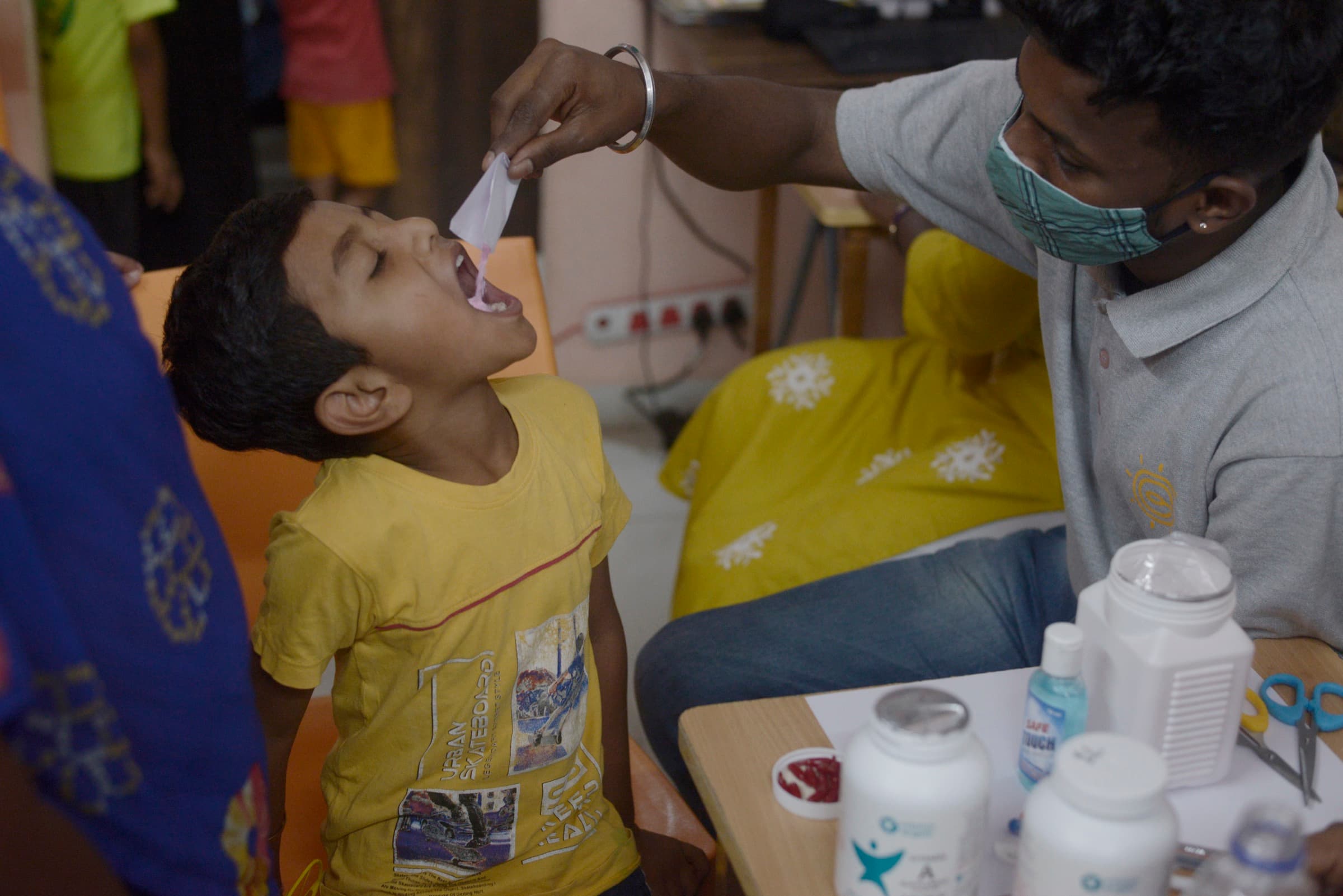
A routine vitamin dose. 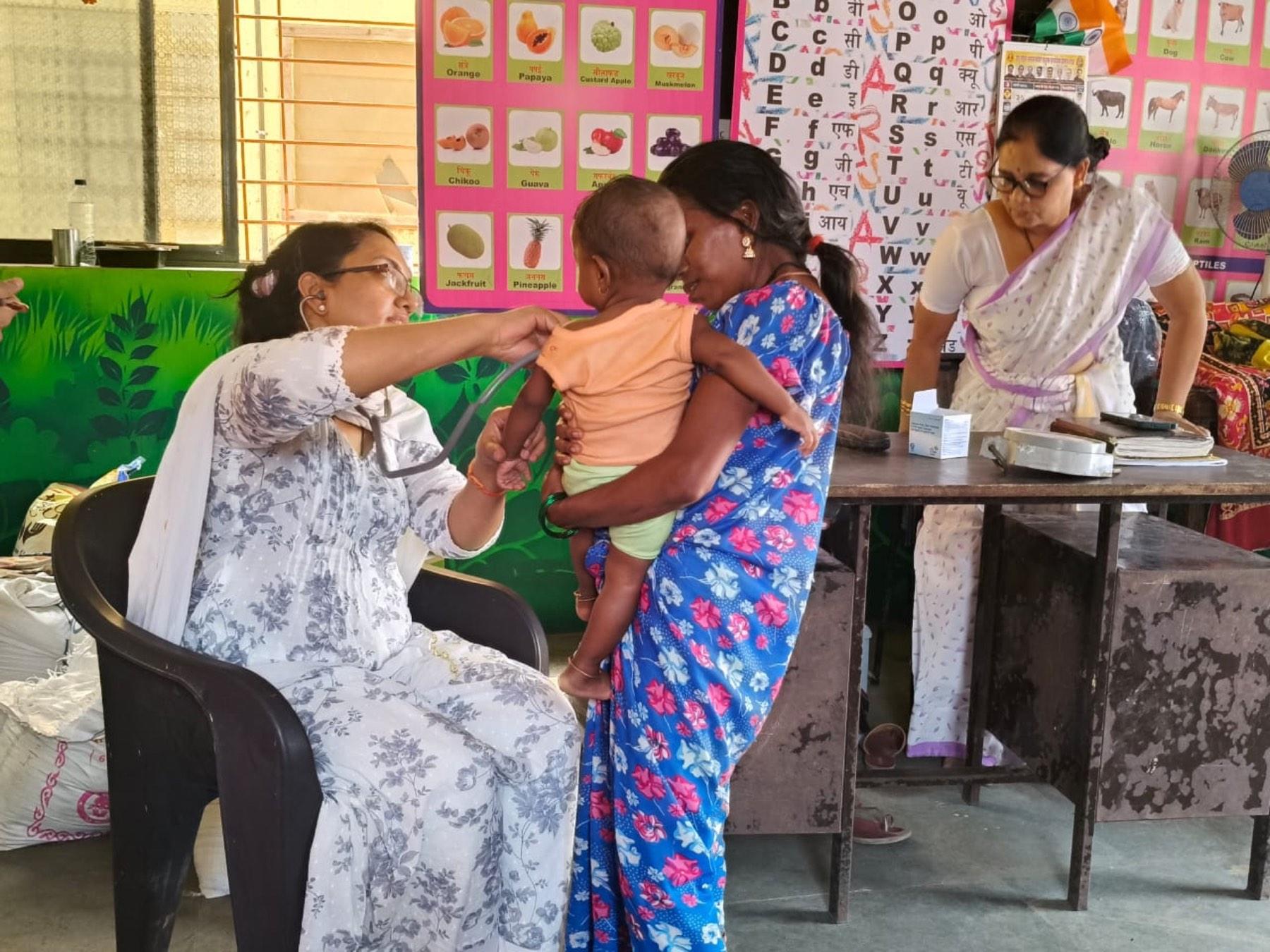
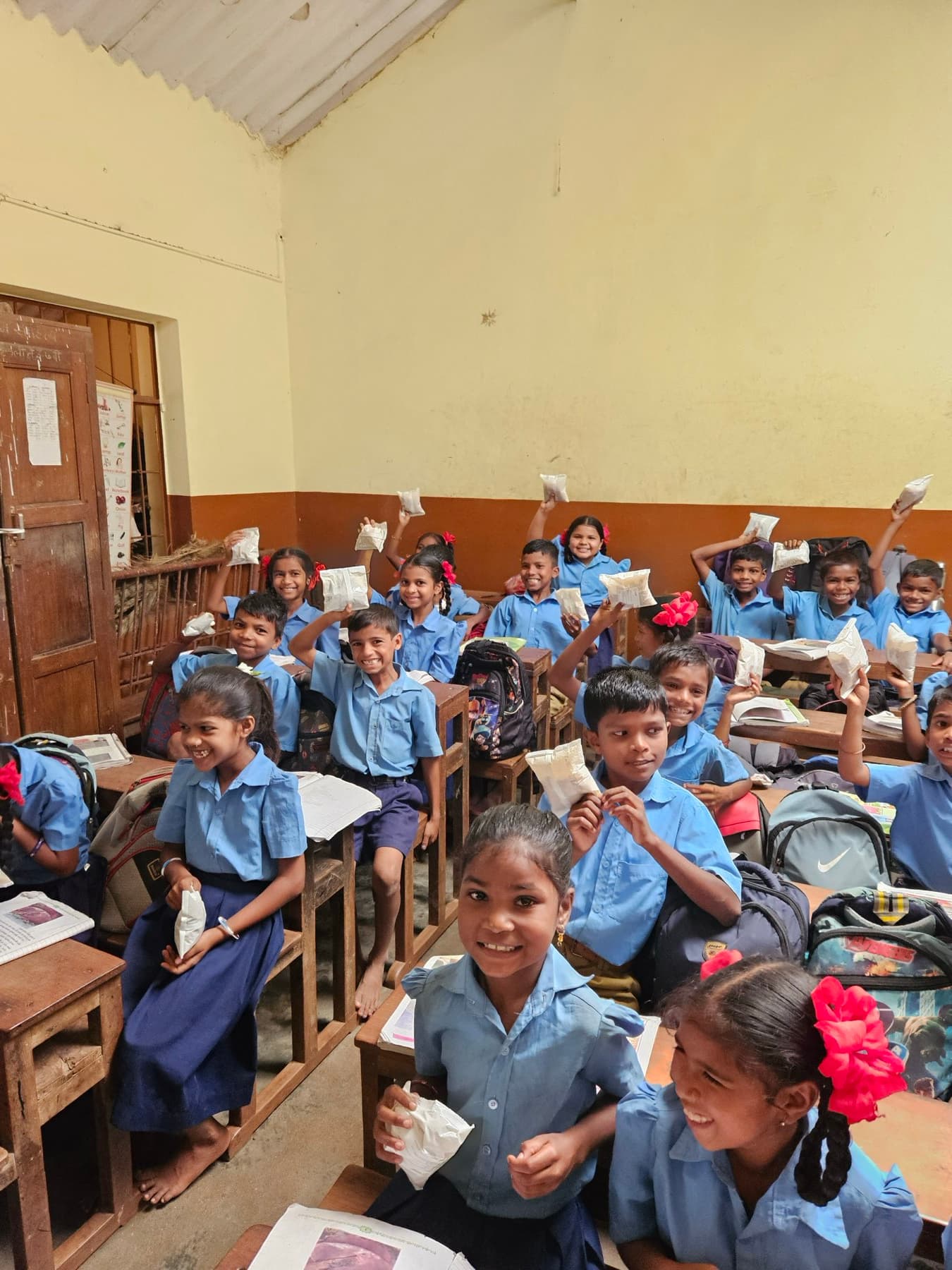
Blue uniforms, packets held high. 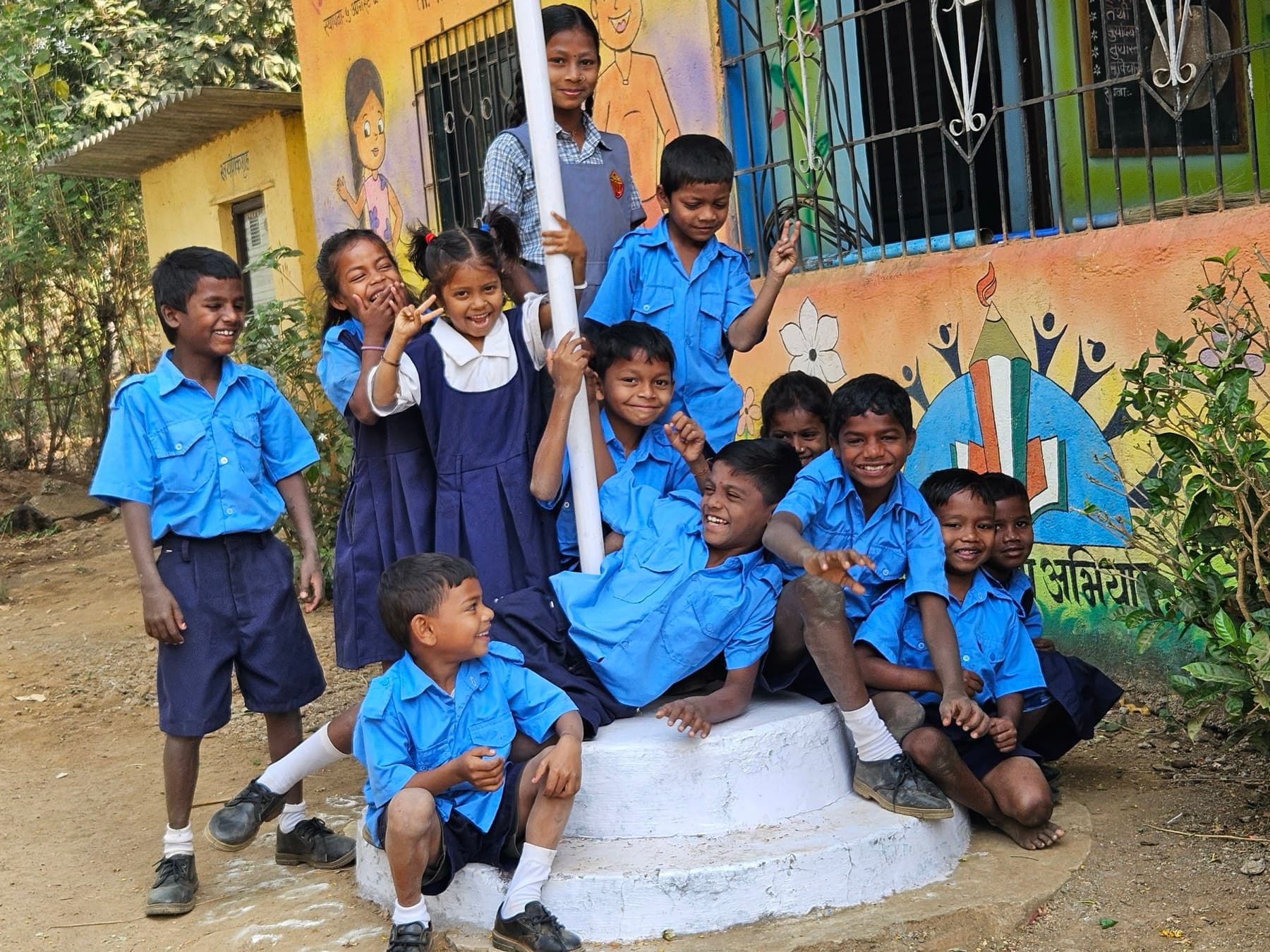
Swipe to see more.
How the programme works
Five steps, never food alone.
Partner
With the school or anganwadi, so the food fits how the place runs.
Assess
Every child, so the programme knows who needs what.
Deliver
Food, every school day, ready to eat for schools that have no kitchen.
Educate
Nutrition lessons in local languages, like Marathi and Gujarati, for children and mothers alike.
Monitor
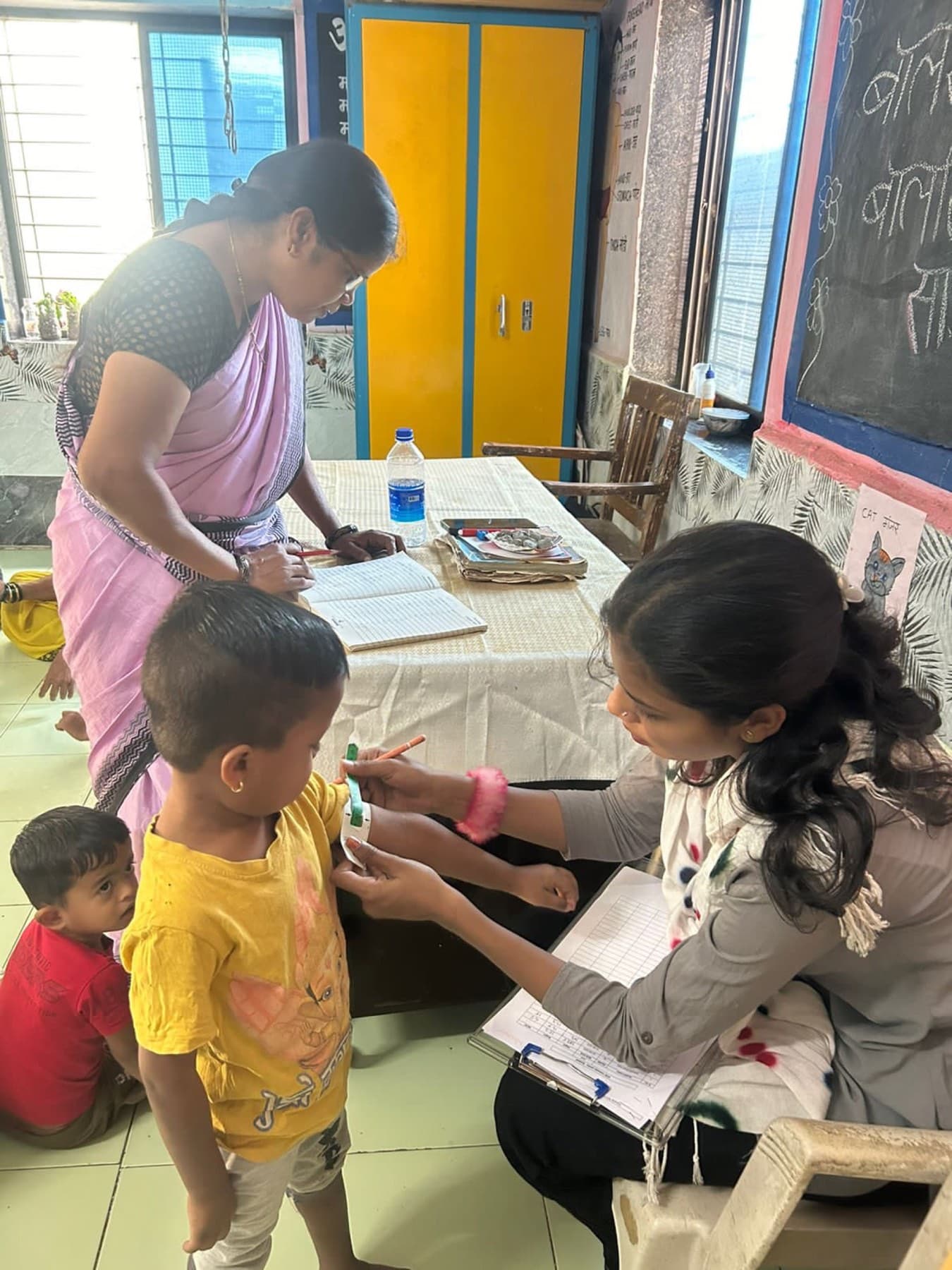
Health check-ups, deworming and growth tracking, on a schedule.
What's inside
Read the back of a pack.
A typical pack: the front
A big claim, in big type.
The star on it points to the back of the pack.
A made-up pack, not a real product.
TBR's pack: the back
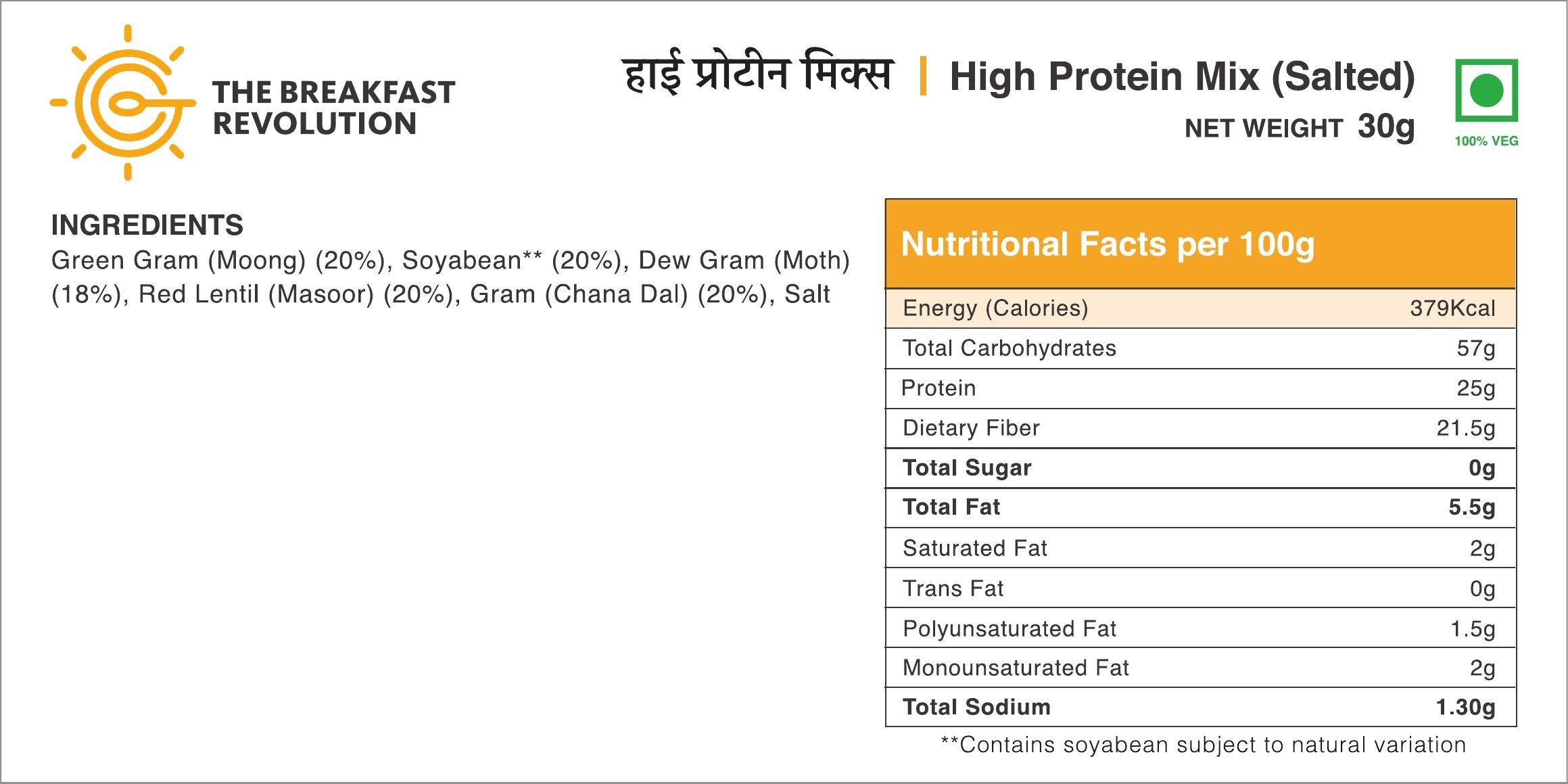
Ingredients
Moong 20%, soyabean 20%, moth 18%, masoor 20%, chana dal 20%, salt. Five pulses and salt, with no additives.
Per 100 g
Protein 25 g. Total sugar 0 g. Sodium 1.30 g, which the new recipes bring down to 0.5 g or less.
TBR's printed label for High Protein Mix, with the maker's address and licence numbers left out.
The packs
The real packs, one at a time.
The new recipes
The new recipes against the current line.
TBR designs its new recipes with the engine Arjun Dugar built. "Was" is read off the printed labels of TBR's current line. "Now" is the engine's estimate, within 10 to 15 percent until lab tests.
Protein per serving
- Served today VERIFIED
- 1.7 g to 7.5 g in most packs. High Protein Mix gives the 7.5 g, in a 30 g pack.
- Next, not yet served ESTIMATE
- 8.9 g to 12.5 g in a 40 g to 50 g serving (the engine's current designs)
Complete protein (all 9 amino acids)
- Served today VERIFIED
- Not deliberately designed. Most packs are cereal-led; High Protein Mix is all pulses, with no cereal to balance them.
- Next, not yet served ESTIMATE
- Yes, by design. Every recipe must clear the WHO/FAO/UNU 2007 pattern for school-age children on all nine, and the engine checks it.
Added sugar
- Served today VERIFIED
- Porridge about 26 g per 100 g. Savoury mixes such as High Protein Mix, 0 g.
- Next, not yet served ESTIMATE
- Cold porridge about 5.1 g per 100 g. Savoury mixes, 0 g added.
Sodium (savoury)
- Served today VERIFIED
- 1.1 g to 1.33 g per 100 g. High Protein Mix is 1.30 g.
- Next, not yet served ESTIMATE
- At or below 0.5 g per 100 g. The baked savoury mix (R3) is about 0.25 g.
Fat
- Served today VERIFIED
- 16 g to 18 g per 100 g across most ready-to-eat items
- Next, not yet served CONSTRAINT
- Moderate. No palm oil. Baked, not fried.
Synthetic additives
- Served today VERIFIED
- INS 627, INS 631, INS 635, added colours, INS 551 (anticaking)
- Next, not yet served CONSTRAINT
- None. Clean label is a hard constraint.
Fortification
- Served today VERIFIED
- Unreliable and inconsistent on labels. Treated as effectively unfortified.
- Next, not yet served CONSTRAINT
- Planned fortification with iron, zinc, folic acid and vitamin B12, within FSSAI limits. Amounts are set once the premix is confirmed and lab-tested.
Preparation at school
- Served today VERIFIED
- BalAahar and the porridge need hot or cold water and mixing before they can be served.
- Next, not yet served CONSTRAINT
- Every reformulated recipe is ready to eat or mixes with cold water, so a school needs no kitchen or stove to serve it.
| Axis | TBR's current line | The engine's designs, before lab and taste tests |
|---|---|---|
| Protein per serving | VERIFIED 1.7 g to 7.5 g in most packs. High Protein Mix gives the 7.5 g, in a 30 g pack. | ESTIMATE 8.9 g to 12.5 g in a 40 g to 50 g serving (the engine's current designs) |
| Complete protein (all 9 amino acids) | VERIFIED Not deliberately designed. Most packs are cereal-led; High Protein Mix is all pulses, with no cereal to balance them. | ESTIMATE Yes, by design. Every recipe must clear the WHO/FAO/UNU 2007 pattern for school-age children on all nine, and the engine checks it. |
| Added sugar | VERIFIED Porridge about 26 g per 100 g. Savoury mixes such as High Protein Mix, 0 g. | ESTIMATE Cold porridge about 5.1 g per 100 g. Savoury mixes, 0 g added. |
| Sodium (savoury) | VERIFIED 1.1 g to 1.33 g per 100 g. High Protein Mix is 1.30 g. | ESTIMATE At or below 0.5 g per 100 g. The baked savoury mix (R3) is about 0.25 g. |
| Fat | VERIFIED 16 g to 18 g per 100 g across most ready-to-eat items | CONSTRAINT Moderate. No palm oil. Baked, not fried. |
| Synthetic additives | VERIFIED INS 627, INS 631, INS 635, added colours, INS 551 (anticaking) | CONSTRAINT None. Clean label is a hard constraint. |
| Fortification | VERIFIED Unreliable and inconsistent on labels. Treated as effectively unfortified. | CONSTRAINT Planned fortification with iron, zinc, folic acid and vitamin B12, within FSSAI limits. Amounts are set once the premix is confirmed and lab-tested. |
| Preparation at school | VERIFIED BalAahar and the porridge need hot or cold water and mixing before they can be served. | CONSTRAINT Every reformulated recipe is ready to eat or mixes with cold water, so a school needs no kitchen or stove to serve it. |
Source: TBR Impact and Process Report, section 5.2 (30 June 2026).
Feed a child every school morning for a year.
It costs ₹2,600 on The Breakfast Revolution's own donate page. Gifts come with an 80G receipt in India and a 501(c)(3) receipt in the US.